

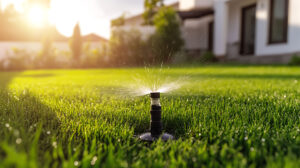
Your yard does more than frame the view from your window. It shapes first impressions, influences how much upkeep your home appears to need, and can even affect property value before anyone steps inside. When grass is patchy, plants look stressed, or flower beds stay soggy, the impression is subtle but unmistakable: something is off. The good news is that protecting your landscape usually does not require a full makeover. Practical improvements, especially to your irrigation system, can preserve curb appeal, reduce water waste, and keep your property looking healthy.
Watering systems matter
Outdoor spaces are among the first things guests, neighbors, and potential buyers notice, so they play a major role in curb appeal. If the lawn looks uneven, shrubs appear thirsty, or garden beds seem oversaturated, people often assume the property needs extra work. That matters whether you plan to sell soon or simply want your home to look well cared for.
Irrigation problems often start quietly. You may not see a burst pipe or dramatic leak, but you might notice one area of grass turning yellow while another stays swampy. Sometimes the first clue is a water bill that rises for no clear reason. Many homeowners only realize they need a sprinkler valve replacement after they spot watering patterns that do not make sense.
A properly working irrigation system protects the landscaping you have already invested in. It also limits waste and helps prevent the kind of recurring yard issues that turn routine maintenance into an exhausting chore.
Signs your yard needs help
You do not need specialized training to recognize when an irrigation system is struggling. Most problems leave visible clues once you know what to watch for.
Dry patches are one of the clearest warning signs. If some parts of the lawn stay brown even though you water regularly, the system may not be providing even coverage. Soggy areas suggest a different issue, such as leaks, damaged sprinkler heads, faulty valves, or poor drainage. Water pooling near driveways, walkways, or flower beds is another strong signal that something is wrong.
Sprinkler heads can reveal a lot about system health. Heads that leak, sputter, spray in the wrong direction, or fail to pop up fully usually need attention. Low water pressure can affect an entire zone and lead to broad under-watering. Unusual clicking noises, noisy valves, and plants that continue to struggle despite frequent watering can also point to irrigation trouble.
The sooner you address these warning signs, the easier it is to correct the issue before the landscape declines.
Small fixes, big impact
Many outdoor improvements sound expensive until you realize that some of the most effective ones involve simple maintenance. You do not need to redesign your landscape to improve its appearance and health. In many cases, small adjustments create the biggest results.
Seasonal tune-ups are a smart first step. Checking sprinkler coverage, correcting spray direction, cleaning clogged nozzles, and replacing worn components can produce visible improvements quickly. If your watering schedule has not changed in years, it may no longer match your yard’s needs. Shade, weather, plant types, and seasonal conditions all influence how much water the landscape actually requires.
Preventing overwatering is just as important as correcting dry areas. Too much water can encourage shallow roots, fungus, rot, and muddy soil. These conditions do more than make the yard look unattractive; they weaken turf and make plants less resilient. Basic irrigation maintenance supports stronger growth while keeping the yard attractive without making it more demanding.
Boosting curb appeal
A healthy lawn and vibrant planting beds improve the appearance of almost any home. Even a simple property can look polished when the grass is green, the edges are tidy, and the beds look alive instead of tired. That visual effect is more powerful than many homeowners realize.
Good irrigation maintenance supports that neat, cared-for appearance. When watering is balanced, grass grows more evenly and plants maintain better color. You are less likely to see scorched corners, muddy patches, or irregular growth caused by inconsistent moisture.
This matters in everyday life, not only when selling a house. Guests notice a tidy front yard. Neighbors notice steady upkeep. Potential buyers notice whether the exterior feels calm and maintained or neglected and chaotic. A well-watered landscape sends a quiet message that the homeowner pays attention to details, and that impression can shape how people view the entire property.
Avoiding costly neglect
Small irrigation issues often become expensive when ignored. A leaking sprinkler head may seem minor, but over time it can waste a significant amount of water and damage nearby grass or planting beds. Valve problems, poor coverage, and pressure issues can slowly weaken large sections of the landscape.
Once landscaping begins to fail, restoring it is usually far more expensive than maintaining it. Replacing dead grass, shrubs, flowers, and other plants adds up quickly. Water bills may rise as well if the system runs longer to compensate for poor performance.
There is also a visual cost. As damage spreads, the property can begin to look neglected. Buyers often notice these signs immediately and may assume there are other hidden problems inside the home too. Addressing irrigation issues early is almost always less costly than waiting until the lawn and beds need major restoration.
Seasonal upkeep checklist
A simple seasonal routine can keep your yard in much better condition without making maintenance feel overwhelming. The goal is not perfection. It is consistency.
In spring, inspect visible lines, valves, and sprinkler heads. Run each irrigation zone and look for weak spray, clogged nozzles, leaks, and poor coverage. Spring is the best time to make corrections before summer heat places extra stress on the landscape.
In summer, monitor the system more closely. Heat waves and long dry periods often reveal weak coverage or scheduling problems. Adjust run times if some areas dry out too quickly or stay too wet. Keep an eye on water pressure and overall plant health throughout the season.
In fall, reduce watering as temperatures drop and plant growth slows. Make sure lawn areas and planting beds still receive balanced coverage. If you live in a region with freezing winters, prepare the system before the first hard freeze. Winterizing helps prevent cracked pipes, damaged valves, and costly spring repairs.
A little attention during each season can prevent major problems later and help your irrigation system remain dependable year-round.