

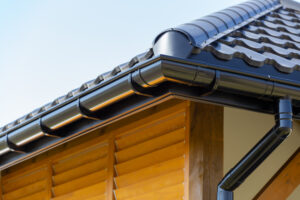
Your roof does a quiet job until it suddenly doesn’t. One day it looks fine, and the next you’re putting a bucket under a ceiling drip and wondering how things got so dramatic. If you live in Olympia, your roof has plenty to contend with. The city receives more than 50 inches of rain each year, and long stretches of damp autumn and winter weather can gradually wear down shingles, flashing, and roof decking over time. If you’ve been spotting little warning signs, it may be time to think beyond patch jobs. Knowing when to replace a roof can save you money, stress, and a lot of weather-related guesswork. Here’s how to tell when your home may be ready for a fresh start up top.
Early warning signs
Some roof problems are loud and obvious. Others sneak in like a squirrel with a plan. You might notice missing shingles after a storm, dark streaks, damp attic spots, or little granules collecting in your gutters.
A roof that sags even a bit deserves attention fast. So do stains on ceilings or walls, especially if they keep coming back after a repair. If you’re weighing whether a patch is enough, it helps to compare local replacement options, including an Olympia roof replacement company if you live in that area and need a more lasting fix.
You don’t need to climb a ladder to spot trouble. Just pay attention to what your house is already telling you. Drafts, musty smells, and mystery leaks usually don’t show up for fun.
Why timing matters
Putting off roof replacement can feel practical at first. After all, if the leak stops for a while, it’s easy to move on to other expenses. The trouble is that roof damage rarely stays in one place.
A small opening can let in moisture that affects insulation, wood framing, drywall, and even flooring. That means a roofing issue can turn into a much bigger home repair bill before you know it. Water has a real talent for traveling where you don’t want it.
There’s also the comfort factor. An aging roof can make it harder to keep your home warm in winter and cool in summer. If your energy bills have been creeping up without a clear reason, your roof could be part of the story.
Replacing at the right time is often cheaper than squeezing every last month out of a failing system. Waiting too long is like wearing shoes with holes and acting surprised when your socks get wet.
Age of your roof
Roof age matters more than many homeowners realize. Even if it looks mostly okay from the curb, materials break down over time from sun, wind, rain, and temperature swings.
Asphalt shingles often last around 20 to 30 years, though local weather can shorten that timeline. Metal, tile, and other materials may last longer, but no roof gets a forever pass. If you bought your home years ago and can’t remember the last replacement, that’s worth checking.
Past repairs also tell part of the story. A roof with several patched areas may be reaching the point where ongoing fixes no longer make sense. Think of it like a phone with a cracked screen, weak battery, and glitchy charger. At some point, replacement is simply easier.
If your roof is nearing the end of its typical lifespan and showing wear, that combination usually matters more than one issue alone.
 What inspections reveal
 What inspections reveal
A professional inspection can spot issues that are easy to miss from the driveway. Most homeowners can see missing shingles. Fewer can spot flashing problems around chimneys, vents, or skylights where leaks often begin.
Inspectors may also find soft decking under the shingles, trapped moisture in the attic, or ventilation problems that make the roof age faster. Poor airflow can build heat and moisture over time, which is bad news for both roofing materials and indoor comfort.
You might also learn that a leak isn’t coming from where you thought. Water can enter in one area and show up somewhere completely different inside the house. It’s the home repair version of a plot twist.
An inspection doesn’t always mean you need a full replacement right away. Sometimes it confirms that a repair still makes sense. But if the problems are widespread, hidden, or repeated, it gives you a clearer reason to plan the bigger job.
Budgeting without panic
Roof replacement is a major expense, so yes, sticker shock is real. The good news is that planning helps a lot. If your roof is aging, start getting estimates before it becomes an emergency.
Comparing bids can show you what’s standard in your area and what questions to ask. Look beyond the total price. Ask about materials, cleanup, labor, timeline, warranty details, and whether damaged wood is included or extra.
It also helps to think in terms of value instead of only cost. The cheapest option may not last as long or address the full problem. A better installation can reduce future repairs and help protect other parts of your home.
If replacing now feels tough, build a realistic savings plan or explore financing if needed. The goal isn’t to panic-buy a roof. It’s to make a smart choice before your ceiling starts auditioning for a rain scene.
Choosing the right season
If your roof isn’t in emergency condition, timing the project can make life easier. Many homeowners prefer milder seasons because weather is more predictable and installation conditions are better.
Spring and early fall are often busy for roofing contractors, so scheduling ahead matters. If you wait until everyone in town spots a leak after the same storm, calendars fill up fast.
Summer can work too, though extreme heat may slow things down. Winter replacements are possible in some places, but weather delays become more likely. The best season depends on local conditions, roof condition, and how urgent the situation is.
You’ll also want to think about your family routine. A roof replacement can be noisy for a day or two, so it helps to plan around naps, work calls, or pets that think every hammer sound means betrayal.
A smoother home upgrade
A new roof isn’t the flashiest home upgrade, but it may be one of the most useful. It protects everything under it, helps with comfort, and can make your home look more cared for from the street.
If you plan to sell in the next few years, buyers often notice an older roof right away. A newer one can make the home feel less risky and more move-in ready. Even if you’re staying put, it’s nice not to worry every time the forecast gets dramatic.
The best time to replace a roof is usually before failure forces your hand. If you’ve noticed leaks, curling shingles, sagging areas, or a roof that’s simply getting old, trust those signs and ask questions early.
You don’t need to become a roofing expert. You just need enough information to act before small issues grow fangs. Your future self, your attic, and your favorite dry spot on the couch will thank you.