


Bathrooms have a funny way of fading into the background until they suddenly become impossible to ignore. One day you’re brushing past the outdated vanity or wrestling with a shower door that sticks, and the next you’re wondering why you waited so long to change it. That’s a familiar feeling for many homeowners in Orlando, Florida, where a growing population and an active real estate market continue to encourage smart home improvements that boost comfort and value. Whether you’re planning to stay for years or thinking about selling down the road, the bathroom is one of the most worthwhile spaces to update. It’s one of the most-used rooms in the house, and when it functions well and feels inviting, the entire home feels more comfortable.
Why updates matter
When people walk into a bathroom, they usually decide how they feel about it in seconds. It either feels clean, bright, and easy to live with, or it feels like a weekend project waiting to happen. That matters when you’re preparing a home for the market, but it also matters when you’re still living there every day.
If you’re looking into a bathroom upgrade, Orlando bathroom remodel companies offer a wide range of solutions for creating a space that’s both functional and inviting. This isn’t just about making things pretty for photos. A better bathroom can improve storage, lighting, comfort, and even your morning mood before coffee has a chance to help.
Bathrooms also carry more visual weight than their square footage suggests. A small room with dated finishes can make the whole house feel older. On the flip side, a refreshed bathroom can quietly signal that the home has been cared for. That kind of confidence is hard to fake.
Start with daily habits
Before you choose tile, paint, or a shiny new faucet, step back and think about how you actually use the room. Not the fantasy version where everyone hangs up towels, and the counter stays empty. The real version. The one with rushed mornings, wet bath mats, and half-open drawers.
Ask yourself simple questions. Do you need more storage for everyday items? Is the vanity too cramped for two people? Does the shower feel awkward to use? If kids or guests use the space, what annoys them most? Those little frustrations are often the best roadmap for smart changes.
This part matters because a bathroom that works well feels bigger, even when it isn’t. Good planning can solve problems that decor alone can’t touch. You may find that moving a cabinet, changing the mirror, or improving lighting does more for the room than a dramatic design choice ever could.
The goal is to build around life, not just looks. Pretty is nice. Practical is prettier on a Monday morning.
Fix what dates it
Some bathroom features age faster than others. Harsh overhead lighting, yellowed finishes, bulky vanities, and old tile patterns can make the room feel stuck in another decade. You don’t need to erase every trace of personality, but you do want to remove the things that make the space feel tired.
Lighting is a big one. A dim bathroom can feel gloomy even when it’s clean. Swapping in layered lighting around the mirror and overhead can brighten the room and make daily tasks easier. It’s a small change with a big payoff.
Worn surfaces also grab attention fast. Chipped counters, stained grout, and peeling caulk tend to make buyers think about maintenance, not comfort. Even if the room functions fine, visible wear sends the wrong message.
Layout issues can date a bathroom too. If the space feels cramped because the vanity is too deep or the shower door swings awkwardly, the room may benefit from a simpler setup. Good updates don’t always shout. Sometimes they just make the space stop fighting you.
Choose smart upgrades
The best bathroom upgrades usually solve more than one problem at once. A walk-in shower can make the room feel more open while also being easier to clean. Easy-care surfaces can save time now and still look good later. Better ventilation helps with comfort, but it also protects paint and finishes from moisture damage.
Water-saving fixtures are another practical win. They can lower utility use without changing your routine much, and that kind of efficiency appeals to plenty of buyers. It’s not flashy, but it’s useful, which is often more valuable in real life.
Storage deserves extra attention too. Drawers that actually fit toiletries, hooks in the right places, and a vanity that doesn’t waste space can make the room feel calmer. That may sound dramatic for a bathroom, but clutter has a talent for making small spaces feel even smaller.
Think in terms of upgrades you’ll appreciate today and that someone else will appreciate tomorrow. If a feature is easy to maintain, comfortable to use, and visually clean, it’s probably a smart bet.
 Keep the style calm
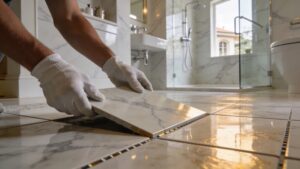 Keep the style calm
A bathroom doesn’t need to chase every trend on the internet to feel current. In fact, calmer design choices often age better. Soft neutrals, warm whites, natural wood tones, and simple hardware tend to hold up well because they don’t demand attention every second.
Texture can do a lot of heavy lifting here. A matte tile, a wood vanity, or a woven light fixture can add interest without making the room feel busy. That balance matters, especially in smaller spaces where too many bold choices can start to crowd each other.
Mirrors and lighting also shape the mood. A well-sized mirror can make the room feel larger, and warm lighting usually feels more welcoming than stark blue-white bulbs. You want the bathroom to feel fresh, not like a science lab.
If you love a trend, use it in easy-to-change pieces like towels, art, or paint. Keep the major materials more timeless. It’s a little like getting a trendy haircut versus a face tattoo. One is easier to live with.
Plan around your budget
A bathroom remodel can range from a light refresh to a bigger investment, so it helps to decide early where your money should go. Start with the things that improve function or fix visible wear. Those changes usually earn their keep faster than purely decorative extras.
Spend carefully on surfaces and fixtures that take daily use. Cheap materials can look fine on day one and tired by day one hundred. That doesn’t mean everything has to be top shelf, but quality matters in places that get wet, touched, and cleaned often.
You can save in smart ways too. Keeping the existing layout often reduces labor costs. Choosing straightforward materials instead of rare or custom finishes can also stretch your budget without making the room feel basic.
Make room for surprises. Older bathrooms sometimes hide plumbing issues, water damage, or ventilation problems behind the walls. Nobody loves that plot twist, but it’s better to plan for it than act shocked later. Clear estimates, realistic timelines, and a little financial cushion can keep the process from becoming a soap opera.
Think like a buyer
Even if you’re not listing your home tomorrow, it helps to think about what a future buyer will notice. Bathrooms photograph prominently in online listings, and they tend to stick in people’s minds during showings. A clean, updated space feels easier to say yes to.
Buyers don’t always expect luxury, but they do notice when a bathroom feels move-in ready. They want to see a space that looks bright, works well, and won’t hand them a repair list on day two. That sense of ease can make the rest of the home feel more appealing too.
There’s also a personal benefit while you wait for that next chapter. If you’re staying for a few months or a few years, you still get to enjoy the upgrade. Better lighting, smarter storage, and a more comfortable shower aren’t just resale talking points. They make ordinary days nicer.
That’s really the sweet spot. A bathroom update should help your home show well later, while making life easier now. If a space can do both, that’s money well spent and stress a little less invited.