

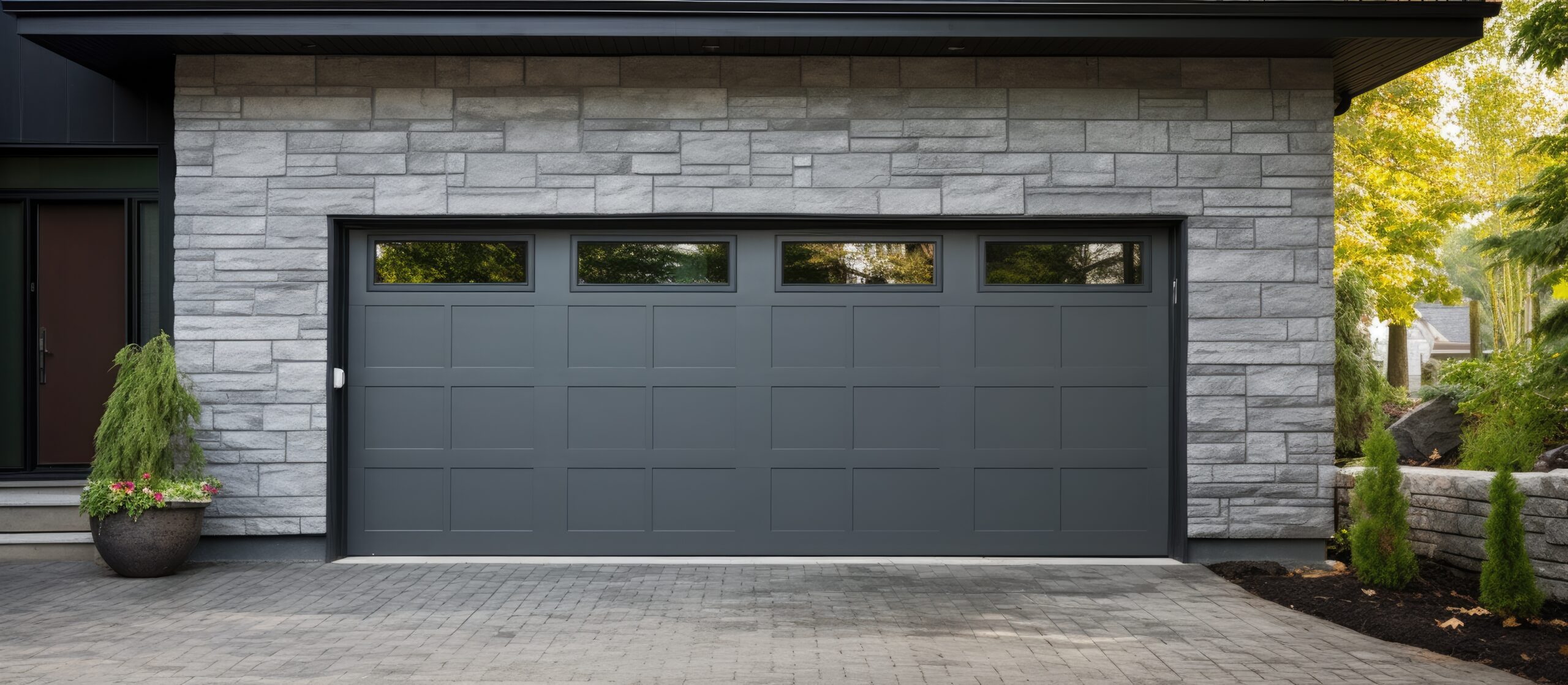
Here’s something most homeowners don’t think about until it’s too late: your garage and shed need love too. These aren’t just storage spaces, they’re actual structures that sit outside taking a beating from weather, and they can develop serious problems if you’re not paying attention.
A crumbling garage foundation, a leaking shed roof, or water damage to stored belongings, these are the kinds of problems that sneak up on you because, let’s face it, you don’t spend as much time thinking about your garage and shed as you do your main house.
But here’s the thing: fixing problems with external structures often costs as much or more than fixing the same problems in your main house. And unlike your bedroom, a failing garage or shed can actually affect your entire property.
So, let’s talk about what you actually need to know about keeping these external structures in good shape. The tips are practical, and honestly, they’re not that different from maintaining your house, just with some garage and shed-specific tweaks.
Tip #1: Check Your Garage Foundation Like You Mean It
Garages sit on foundations too, and they have the same problems as house foundations, just less attention paid to them. Water pooling around your garage foundation can lead to cracking, settling, and structural problems that are expensive to fix.
Make sure to check to see if a concrete floor and walls have any cracks in them. Small hairline cracks are common, however wider cracks or ones that are growing in size and length are worth investigating as they may be letting water in. To check this, look for water stains or any wet spots. Figuring out how to stop water getting in is a major priority.
A place to check is how the water is being drained around your structure. Look to see whether it is pooling next to the foundation and look to see whether the ground is sloping towards the structure instead of away from it. These are problems.
The foundation of a structure will work incredibly hard so give it as much attention as possible and you may catch problems early.
Tip #2: Your Structures Roof Needs More Attention Than You Think
Garage roofs are often an afterthought, cheap materials installed quickly. Then they start leaking, water damages everything inside, and suddenly you’re spending way more than you would have on a decent roof in the first place.
Start by checking the structures roof on the inside first, primarily after rain. Look for water stains, dripping water or if its insulated, make sure to check for any wet insulation. These tell you there are leaks before there are any further structural issues. The problems will also be visible from the outside in some instances. You may be able to see any missing or curling shingles, any gaps or sagging roof structures which will be a primary concern for you to fix.
If your structure has guttering, make sure to check these over. Check to see if the guttering, if you have it, is not clogged with leaves and dirt. Having a blockage can lead to moisture build up which will in turn speed up deterioration.
The leaking garage roof might not feel urgent until boxes of stuff are ruined. Fix it before that happens.
The material and overall design of the roof will improve its longevity. Choosing one made out of steel and with an arched roof will not only last well through high weather systems but will also reduce the uplift forces on the structure. The well thought out design naturally distributes rain and snow so that it falls downwards rather than staying on the roof.
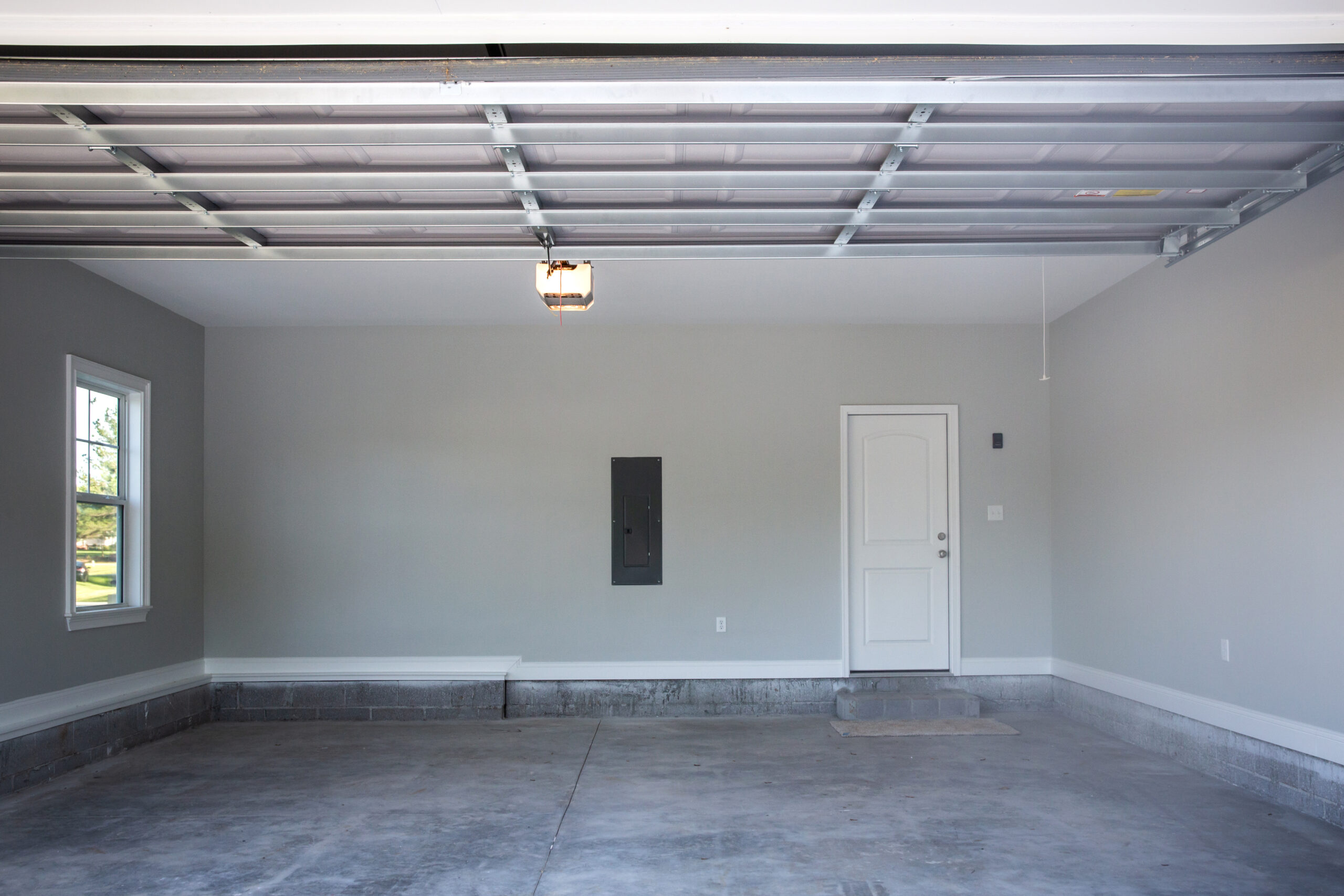 Tip #3: Manage Water Around Your External Structures Like Your Life Depends On It
Water is the number one enemy to everything outside your home. Whether it’s your garage, sheds, whatever, water will pool around these structures and will cause rather serious structural issues.
Start by getting soil away from the structures and ensure that the foundations slope away rather than towards. Maintain or even install gutters and downspouts. After it rains it is a good tip to look for where water pools, there may need to be further drainage built in to ensure the longevity of the area.
Water around external structures is the #1 reason they fail. Getting it to move away is the best investment you can make.
Tip #4: Your Door is More Important Than You Realize
The door to your outside structure will make a bigger impact than you may realize. If it’s not sealing properly, water gets in. If it’s damaged, it’s less secure. If the springs are failing, someone could get hurt.
What actually helps:
- Check the weatherstripping seal at the bottom – This is your first line of defense against water and pests. If it’s cracked, compressed, or missing, replace it. It’s cheap and it works.
- Make sure the door is level and closing completely – If there are gaps, water’s getting in. If the door’s not closing evenly, the mechanism might be failing.
- Inspect the garage door springs and hardware – These are under serious tension and can fail suddenly. If you notice anything unusual or if it’s making weird sounds, call a garage door professional. Don’t mess with these yourself.
- Keep the tracks and rollers clean and lubricated – A little maintenance keeps things running smoothly and extends the life of the system.
- Check for rust or corrosion on the door itself – If your door’s rusting, it’s deteriorating. Paint or sealant can help, but it might eventually need replacement.
The Real Talk: Your External Structures Deserve Attention
Here’s what people don’t realize: a failing garage or shed can actually affect your entire property. Water problems in the garage can migrate to your house. A deteriorating shed looks terrible and becomes a liability. And everything happens faster because these structures get less attention than your main house.
The good news? Most of the maintenance is the same as your house, attention to water management, regular inspection, addressing problems before they compound, and knowing when to call someone who knows what they’re doing.
Your garage and shed might not be as central to your life as your main house, but they’re still structures that deserve care. A little attention now prevents big problems later. And honestly, external structures that work well make your whole property better.
Start with water management, that’s the foundation (literally and figuratively) of external structure maintenance. Keep water from pooling around them, make sure roofs and gutters work properly, and seal cracks before they’re problems. Do that and you’re already ahead of the game. Because when your garage and shed are working well, when they’re keeping your stuff safe and dry, that’s when you know you’re doing something right. And that’s worth doing.