

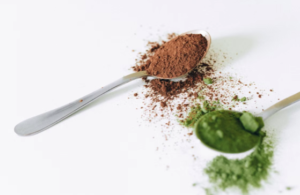
 You are trying a new fruit powder and hope it matches the bright color and unique flavor that you are promised on the label. Instead, it is tasteless, gritty, or lumpy before mixing into your morning beverage. When two powders made from similar fruits taste and behave differently, it can leave you wondering what went wrong.
The disparity is usually initiated way before the powder gets to your kitchen. Its taste, texture, and smoothness of mixing can be influenced by the quality of the fruits, the conditions under which they are dried, the size of the particles, moisture, and formulation. Knowing these aspects simplifies the explanation of why one powder would be naturally fruity, and the other would be flat or gritty.
So, where does that difference really begin? The fruit itself can influence the quality of the powder even before drying or processing comes into the picture, as explained below.
1. Fruit Source and Ripeness
Quality starts with the fruit itself. Variety, harvest timing, ripeness, and freshness can influence sweetness, acidity, aroma, color, and composition.
When comparing fruit powders, start with the source. For shoppers exploring options such as superfruit powder, knowing the fruit and its characteristics can give a better idea of what to expect from the finished ingredient.
Ripeness also deserves attention. Fruit harvested at the right stage generally develops balanced flavor and aroma. Inconsistent or less mature fruit can create a less distinctive starting profile.
Also, processing can preserve desirable characteristics, but it cannot completely correct inconsistent raw material. The next stage matters just as much: preserving those qualities during drying.
 2. Drying Method and Heat
 2. Drying Method and Heat
When the superfruit has been processed, the second thing is to preserve the qualities it already possesses. Drying is used to remove moisture to obtain a stable powder, although the process must also preserve the typical flavor, color, texture, and useful plant compounds of the fruit.
Freeze drying, air drying, and spray drying are subject to various heat, time, and air combinations. An analysis of strawberry powder revealed that the process of drying influenced the color, flow characteristics, and phenolic content, indicating how processing decisions can influence the final powder.
This turns the drying method into a significant aspect of the quality of superfruit powder. The overheating or inappropriate drying conditions may influence the attributes of flavor, color, and nutritional compounds. Through a carefully selected technique, a stable powder can be created and retain more of the properties that made the original fruit so valuable.
Meanwhile, drying does not just take away moisture; it also alters the physical structure of the fruit, which influences powder behavior in the future. That leads to the other crucial aspect: particle size.
3. Particle Size and Texture
After the superfruits are dried, the size of the particles is a critical component of the eating and drinking experience. A smoother, more homogeneous texture can be achieved by using a finer superfruit powder. Meanwhile, larger particles feel grainier on consumption.
The difference can be felt when adding powder to a drink or recipe. The structure of a particle also influences the uniformity of dispersion.
Several characteristics can contribute:
- Particle size
- Shape
- Porosity
These differences are better observed in moist environments, as they cause particles to stick together and form clumps.
 4. Moisture and Storage
 4. Moisture and Storage
After the powder is made, the attention turns to the protection of the product’s quality. Moisture also matters because superfruit powders can absorb humidity from the air. When this occurs, the powder may begin to form clumps, making it difficult to pour, measure, and mix easily.
Changes in flavor, color, and other characteristics can also occur more rapidly at higher temperatures, in the presence of oxygen, and because of light exposure. A study on moisture absorption and bioactive compound change of freeze-dried mango powder revealed the importance of storage conditions, including temperature and humidity.
These factors may influence the powder after processing, and therefore packaging is an important aspect of preservation. While exposure to humidity, oxygen, heat, and light is minimized in a well-sealed container, proper storage is required to sustain the characteristics of the container.
Protection of the finished superfruit powder is not the end of the process; it is necessary to preserve the qualities developed during the process.
5. Formulation and Quality Control
Ingredients and quality checks can impact consistency, even in cases where fruit selection, drying, and grinding are meticulously controlled. Sweetness, tartness, aroma, color, and mixing can be affected by sugars, acids, fibers, oils, and pigments.
Some superfruit powders may also contain ingredients that help prevent clumping or make the powder easier to mix. Their additions can influence the taste and behavior of the powder when cooked, so reviewing the ingredients of the products should be done when comparing various products.
The quality control process brings an additional level of consistency. Checks can focus on:
- Moisture levels
- Particle consistency
- Microbial safety
- Batch consistency
- Packaging integrity
Conclusion
Superfruit powder’s flavor, texture, and quality are determined long before it enters your kitchen. Fruit is the foundation of the flavor, and drying/grinding affects the structure and the sensorial experience. Those qualities are preserved by storage, and consistency is provided by the formulation and quality control.
An examination of the overall process illuminates the reasons why seemingly identical powders may have different tastes and textures. With these factors in mind, picking a powder is not just about how it looks, but also about noticing the details that retain the character of the fruit from source to ingredient.