
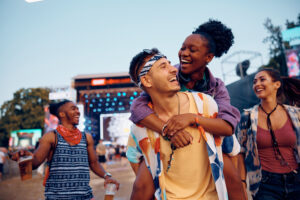
Festivals and pop-up events provide a unique opportunity for brands to create experiences that resonate with their audience.
Festivals and pop-up events give brands a rare chance to mix creativity with real human connection. Crowds crave experiences that capture attention and look great in photos, so smart brands design spaces that invite people to stop, snap, and share. Brands design photo-worthy experiences like branded custom inflatables or immersive photo backdrops by combining visual design, interactive moments, and emotional appeal to create spaces that naturally draw people in and spark social sharing.
It takes more than bright colors or flashy props to hold attention. The best setups tell a story that fits the brand’s personality while matching the energy of the event. Every detail, from layout to lighting, influences how people move, feel, and capture the moment. Each touchpoint should feel intentional and easy to share online.
The most successful activations balance style with substance. They offer memorable visuals while giving people something useful or unexpected, such as comfort zones, creative challenges, or personalized moments. These elements turn a simple visit into an experience that lives on through every photo and post that reaches beyond the event itself.
Key Elements of Designing Photo-Worthy Festival and Pop-Up Experiences
Designers focus on interactivity, visual appeal, and atmosphere to create spaces that draw attention both in person and online. Thoughtful design choices help brands connect with visitors while encouraging organic social sharing through authentic, image-worthy moments.
Creating Immersive and Interactive Environments
Festivals and pop-up events attract attention through spaces that encourage guests to participate rather than simply observe. Immersive design invites visitors to explore, touch, and share experiences that feel unique to that event. Interactive features such as motion-based displays, touch walls, or sensory zones give guests a reason to stop and engage.
Designers often include small, surprising details that invite discovery. For instance, hidden pathways, scent features, or mini activities make people curious. Visitors remember experiences that feel playful yet purposeful. These details increase dwell time and lead to more organic posts online.
Branded elements should fit naturally into the space. Many brands now use branded custom inflatables as practical photo props. They capture attention fast, add scale and color, and make the brand identity visible without feeling forced. A well-placed inflatable or interactive installation can turn casual attendees into active participants.
Visual Design and Instagrammable Installations
Strong visuals help define how visitors remember an event. Photo-ready environments rely on clear design themes and bold focal points that attract cameras. Large-scale installations, striking murals, or floral walls act as natural backdrops for photos. Designers match colors, textures, and layout to the event’s tone, whether playful, luxurious, or artistic.
Repetition of visual motifs also helps connect different areas of a venue. Guests notice a consistent design, which makes photos look cohesive across social media. Simplicity often works best. A clean, eye-catching centerpiece can perform better than an overcrowded layout.
Smart branding appears subtly throughout the space. Small logos on decorations, branded props, or thematic patterns on furniture can remind guests who created the experience without overwhelming the scene. These visual choices help build familiarity and long-term recognition.
Lighting, Props, and Themed Decor for Social Sharing
Lighting determines how every photo looks. Professionals plan for lighting that flatters faces and highlights textures, especially outdoors. Warm tones during golden hour or soft LED accents at night make both the crowd and the scene more appealing. Layered lighting adds depth to images and sets a consistent atmosphere across different zones.
Props give guests something to interact with during photos. Items like handheld accessories, reflective mirrors, or sculptural pieces often increase engagement. At pop-ups, thoughtful props turn simple spaces into memorable shoots.
Themed decor ties the environment together. Using consistent patterns, signage, and materials helps unify the brand message. Whether a festival uses vintage lounge furniture or futuristic structures, cohesive styling keeps the experience focused. Guests are more likely to share photos that look polished and well-thought-out.
Driving Engagement and Amplifying Social Buzz
Brands grow event success through interactive features that invite participation, encourage social sharing, and help collect useful feedback. By blending digital tools with creative event design, they transform casual visitors into active promoters who help spread brand awareness online and offline.
Creating Shareable Moments and User-Generated Content
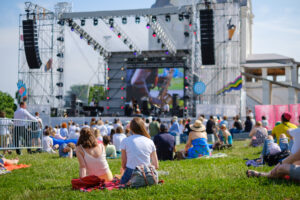
Festivals and pop-up events often thrive on moments that guests want to capture and share. Brands create these “Instagrammable” scenes through bright installations, clever lighting, and branded décor that reflect the event’s theme. A well-placed photo booth or digital selfie wall can draw crowds and spark customer engagement instantly.
Encouraging guests to post photos using a branded hashtag further extends the brand’s presence beyond the venue. Guests act as authentic storytellers, sharing their experience with followers who might never attend the event in person.
Teams often use event technology that allows quick image uploads or automatic tagging to keep posts consistent.
Brands can also add incentives such as social media contests or small giveaways. This approach helps build excitement and keeps online activity high throughout the event. Every shared image adds to the pool of user-generated content, which becomes valuable material for future event marketing efforts.
Leveraging Influencer Collaborations and Social Media Tactics
Influencers can turn a local pop-up into an online sensation. Brands partner with creators whose audiences match their ideal customers. These influencers post live updates, create short videos, and share social media teasers that build anticipation before the event.
During the event, influencers often serve as on-site hosts or digital correspondents. Their real-time coverage adds credibility and draws new visitors who follow their updates. Brands may host special activities, such as flash mobs or mini challenges, designed for short-form video content.
Strong event marketing strategies also include consistent cross-platform messaging. Teams plan ahead with pre-event countdowns, live streams, and recap posts to keep the conversation active. This steady flow of visual updates helps maintain momentum and attracts continued attention long after the event ends.
Measuring Impact and Building Customer Loyalty
Tracking online engagement helps brands understand what worked. Metrics such as hashtag mentions, shares, clicks, and photo booth interactions reveal audience interests. Teams use these insights to adjust future event activations and refine their marketing strategy.
Collecting contact details through digital registrations or QR code sign-ups can support follow-up campaigns. A short survey after the event helps brands gauge satisfaction and spark repeat attendance.
Customers who feel noticed often turn into returning fans. Brands that thank guests for their participation or feature their posts on official channels build trust and customer loyalty. Over time, each well-executed experience strengthens relationships and keeps the audience curious about what comes next.
Conclusion
Brands that design photo-worthy experiences focus on simple but deliberate details. They plan visuals, layout, and timing to capture attention while creating chances for people to share their experience online. Each feature, from lighting setups to scenic backdrops, supports an atmosphere that feels authentic on and off camera.
Strong design also extends to food, fashion, and small surprises that add to the social buzz. Pop-up experiences often rely on novelty and exclusivity to draw interest, while festivals benefit from a mix of large-scale art and community-driven engagement. Both aim to create genuine emotional connections that translate into shareable content.
Successful activations depend on thoughtful coordination and clear identity. By blending creativity with purpose, brands design spaces that encourage participation, build recognition, and leave a lasting visual impression.