
 The Industry Icon Details How Hollywood’s Biggest Stars Are Becoming the New Generation of Digital Creators
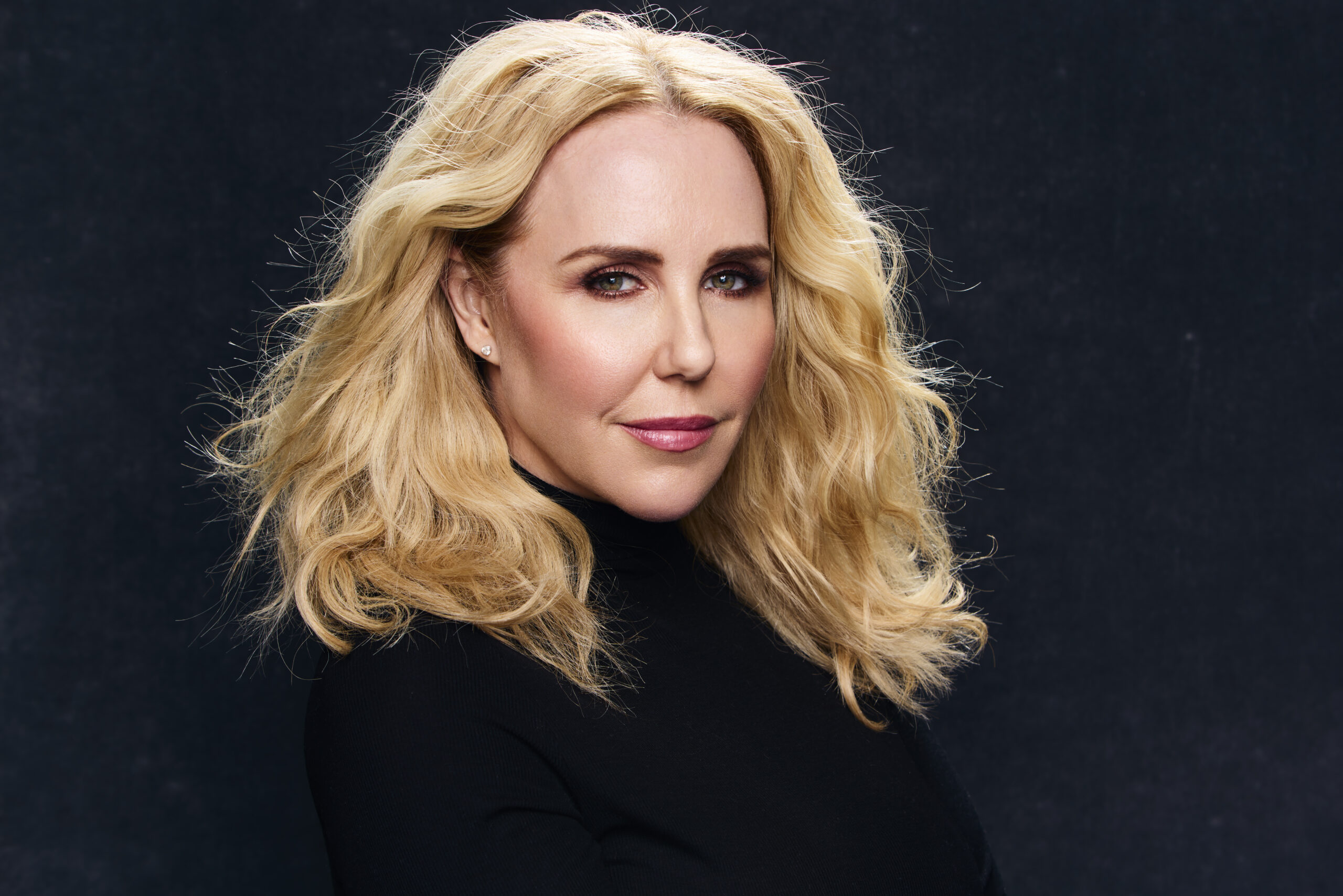
For more than two decades, Holly Randall has stood at the intersection of photography, filmmaking, entrepreneurship, and digital media, becoming one of the most respected and recognizable figures in the creator economy. While many know her as an award-winning photographer and producer, Randall has also established herself as an insightful interviewer, author, podcast host, and businesswoman whose influence extends far beyond the camera.
The daughter of pioneering photographer and filmmaker Suze Randall, Holly inherited a passion for visual storytelling but built a remarkable legacy on her own. Through Holly Randall Productions, her internationally acclaimed Holly Randall Unfiltered podcast, and her growing portfolio of creative ventures, she has become a leading voice in conversations surrounding digital media, online entrepreneurship, technology, and the rapidly evolving relationship between creators and their audiences.
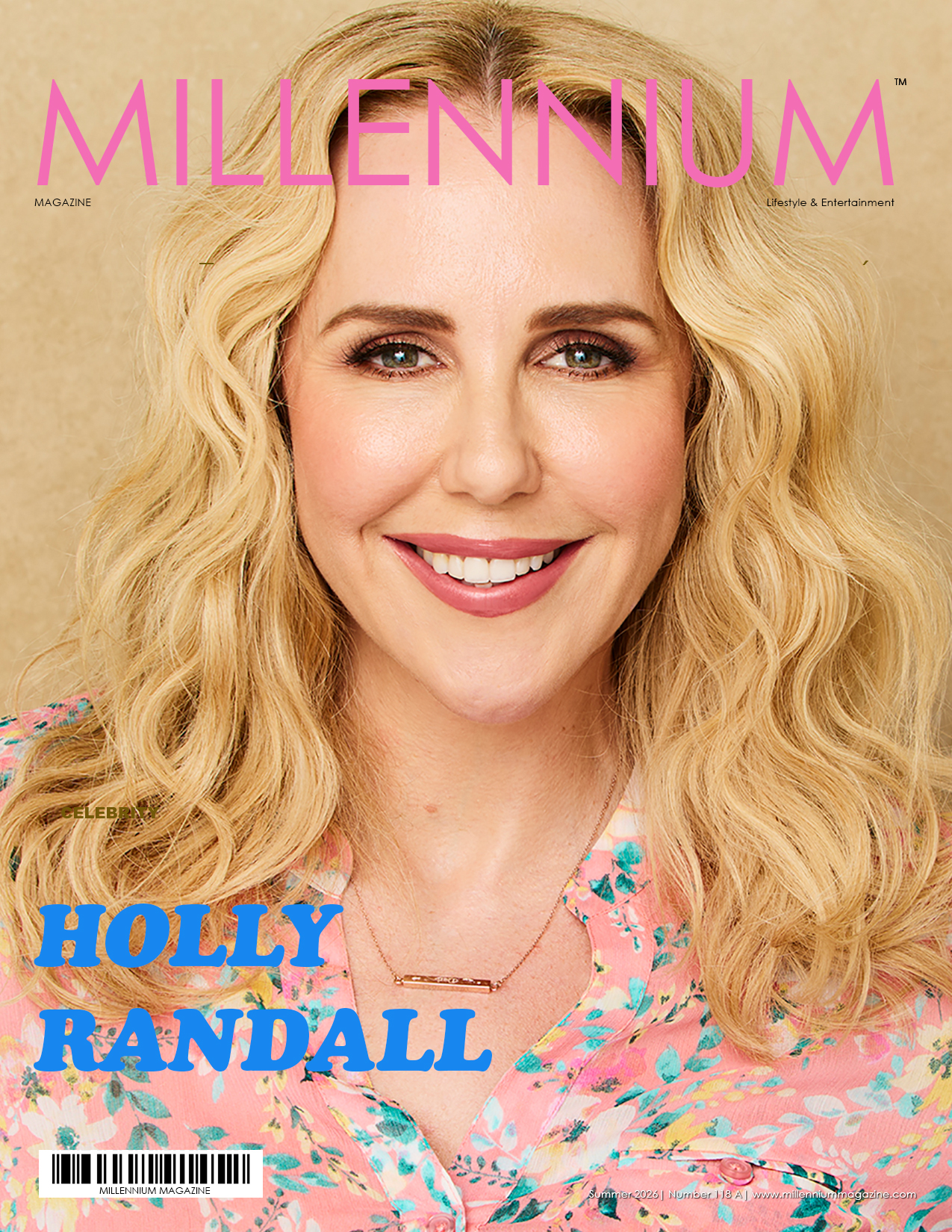 Click Image to View The Issue
Having witnessed the industry’s transformation from print publications and VHS to streaming platforms, subscription-based content, and artificial intelligence, Randall possesses a rare perspective on how technology continues to redefine entertainment and business. Her experience offers valuable insight not only for content creators but also for entrepreneurs navigating an increasingly direct-to-consumer world.
In this exclusive interview with Millennium Magazine, Holly Randall discusses growing up in a groundbreaking creative family, forging an independent career, the rise of platforms like OnlyFans, the mainstream acceptance of the creator economy, the opportunities and challenges facing today’s entrepreneurs, and how artificial intelligence may reshape the future of digital content.
Thoughtful, articulate, and refreshingly candid, Randall shares her experiences navigating an industry that has undergone constant reinvention while offering valuable lessons on resilience, innovation, branding, and adapting to an ever-changing media landscape.
 Millennium Magazine: Your mother, Suze Randall, is considered one of the most influential female photographers and filmmakers in adult entertainment history. What was it like growing up in that environment, and what inspired you to follow in her footsteps instead of pursuing a completely different career?
Holly Randall: Growing up in the Randall household was completely normal to me — and that’s exactly what made it unusual. My parents didn’t show me their work when I was a kid, but we always knew what they did. Mom and dad make movies for grown-ups. It wasn’t shameful, it wasn’t taboo, it just was. I went to private school, I rode horses, I attended cotillion — we had this admittedly privileged, almost incongruously conventional upbringing. The porn just happened to be the family business. I didn’t set out to follow my mom into it. I was at Brooks Institute of Photography studying to be a photographer when my dad called and asked if I wanted to come work for them. I went back thinking it was temporary, and then it just fit.
MM: Your mother helped redefine erotic photography from a woman’s perspective. How has her influence shaped your own creative style, and what lessons from her career still guide you today?
HR: My mom taught me things I didn’t even realize I was learning at the time — posing, cropping, how to treat a model on set. She used to say “your pictures are only as good as your model feels,” and I’ve never forgotten that. If a girl shows up late or she’s having a bad day, you still have to make her feel safe and beautiful, because if she doesn’t feel it, you’re not going to capture it. That philosophy came entirely from my mom. But I also had to find my own path, and that meant leaving my parents company. In 2007 I went off on my own, and it wasn’t until around 2011 that people stopped calling me “Suze Randall’s daughter” and started calling me Holly Randall. That was the moment I knew I’d actually built something.
MM: Over the last several years, we’ve seen musicians, actors, reality television personalities, athletes, and social media influencers launch OnlyFans accounts. Why do you think so many mainstream celebrities are embracing the platform?
HR: It makes complete sense when you think about the business logic. Celebrities have spent their entire careers building audiences they don’t own; they’re beholden to studios, managers, labels, and networks. OnlyFans hands them a direct line to fans with no middleman taking the majority of the revenue. Add to that a generational shift in how people think about sex and nudity, and the stigma calculus just changed. It became a viable, even smart, business decision.
MM: Do you believe OnlyFans has become primarily an additional revenue stream for celebrities, or is it a way for them to present a more authentic, unfiltered version of themselves and connect directly with fans? Or is it simply a way to reach an entirely new audience?
HR: For most of them it starts as revenue, but I think a lot of celebrities have been genuinely surprised by how much they enjoy the directness of it: no PR filter, no publicist, just them and their fans. That said, let’s not pretend the payday isn’t the primary driver. Both things are true, and there’s nothing wrong with that.
 MM: OnlyFans has transformed from a niche subscription platform into a global entertainment business. Where do you see the platform five or ten years from now? Do you think it will continue expanding into mainstream entertainment, or eventually return to its adult-content roots?
HR: I think it continues blurring into the broader creator economy. The platform has been smart about positioning itself as general content, not just adult. Five to ten years from now I could see it functioning like a Patreon-meets-Netflix hybrid, with adult content still being the engine that funds everything else. They’ve been pushing really hard on their OFTV platform, which is a completely safe for work creator-led platform… kind of like their own version of YouTube. I post my podcast there plus additional content and I think there’s a real future for sex workers to expand their brand on that platform.
MM: How has OnlyFans changed the traditional adult entertainment business for performers, photographers, directors, and studios? Has it created more opportunities than challenges?
HR: It’s been seismic, and I say that as someone who lived through every phase of it: VHS, the rise of the internet, streaming, free tube sites destroying revenue, and now this. The traditional studio model has been gutted; performers have more autonomy and earning potential than any previous generation. A lot of the low-budget, disorganized and exploitative companies died out, but the strong studios (Adulttime, Brazzers, Vixen, Mile High) still remain. It’s more competitive, and you have to be smart about it.
MM: Many performers are now producing, marketing, and distributing their own content without relying on major studios. Has this shift empowered creators, or has it made the industry more competitive and difficult to sustain long-term careers?
HR: Both things are simultaneously true. Performers have more power and ownership than ever, but the market is also completely flooded, and many people are working harder than ever for less money. Sustainability is the challenge nobody talks about enough. I’ll be honest: even running my own brand for over 27 years, there are times when I experience real financial insecurity. Because the wonderful thing about being freelance and running your own business is there is no ceiling to how much you can achieve and earn (unlike someone on a 9-5 salary), however there is also no bottom to how little you can earn at times. I never get comfortable in my position and I know nothing lasts forever, which is why I’m constantly trying out new things and experimenting with various income streams.
 MM: Adult content has always existed, but today it seems more creators than ever are generating significant incomes. What cultural, technological, and economic changes have contributed to this explosion in profitability?
HR: Three things converged: smartphones made production effortless, social media made audience-building accessible to anyone, and the pandemic normalized consuming digital content at home. On top of that, a generational shift in attitudes made it far less shameful to both create and consume this content openly. The infrastructure finally caught up with the demand that was always there.
MM: What do you see as the biggest advantages of OnlyFans for creators?
HR: The biggest advantage is ownership. You control your content, your pricing, your audience, your brand. Nobody can fire you and there’s no ceiling on what you can earn.
MM: Conversely, what are some of the hidden drawbacks—whether financial, emotional, professional, or personal—that people often overlook before joining the platform?
HR: The hidden drawbacks are the ones nobody warns you about: the psychological weight of being always-on, the parasocial dynamics that can become genuinely draining, the complete absence of any safety net or benefits, and the permanent digital footprint. People enter thinking it’s passive income and discover it’s a full-time job with no HR department and no days off. And once it’s out there, it’s out there… there’s no taking it back.
MM: Do you think society’s perception of sex work and adult entertainment is becoming more accepting, or do performers still face many of the same stereotypes and obstacles they always have?
HR: Progress has been real but uneven. I live in Los Angeles, I work in an open industry, and even so the stigma hits me in very specific ways — denied insurance, denied credit cards, can’t find locations to shoot because people don’t want their homes associated with adult content. The business discrimination is relentless. The fear of the stigma hit an all-time new high when I had kids. On every playdate with my daughter’s friends I pray the mom doesn’t ask me what I do for a living. I’m a good mom, and I’m great with kids– but some people believe you’re some kind of sexual deviant if you work in this industry. And it’s unfortunate people can’t separate the person in front of them with the one they play online.
MM: As more celebrities launch subscription platforms and adult performers cross into mainstream media through podcasts, documentaries, and television appearances, do you think we’re witnessing the disappearance of the line between adult entertainment and mainstream pop culture? If so, what do you think is driving that shift, and where do you see it leading over the next few years?
HR: I don’t think the line has disappeared, but it’s definitely blurring, and it gets blurrier with every generation. When I started out, the wall between adult entertainment and mainstream media was essentially impenetrable. Now you have mainstream celebrities launching OnlyFans pages, adult performers appearing in documentaries and on mainstream podcasts, and shows like Euphoria making the conversation about online sexuality completely normalized primetime TV territory. That’s a real shift. What I do think is changing is that each new generation draws that line a little further back, and a little less rigidly. Where it lands in another twenty years, I genuinely don’t know.
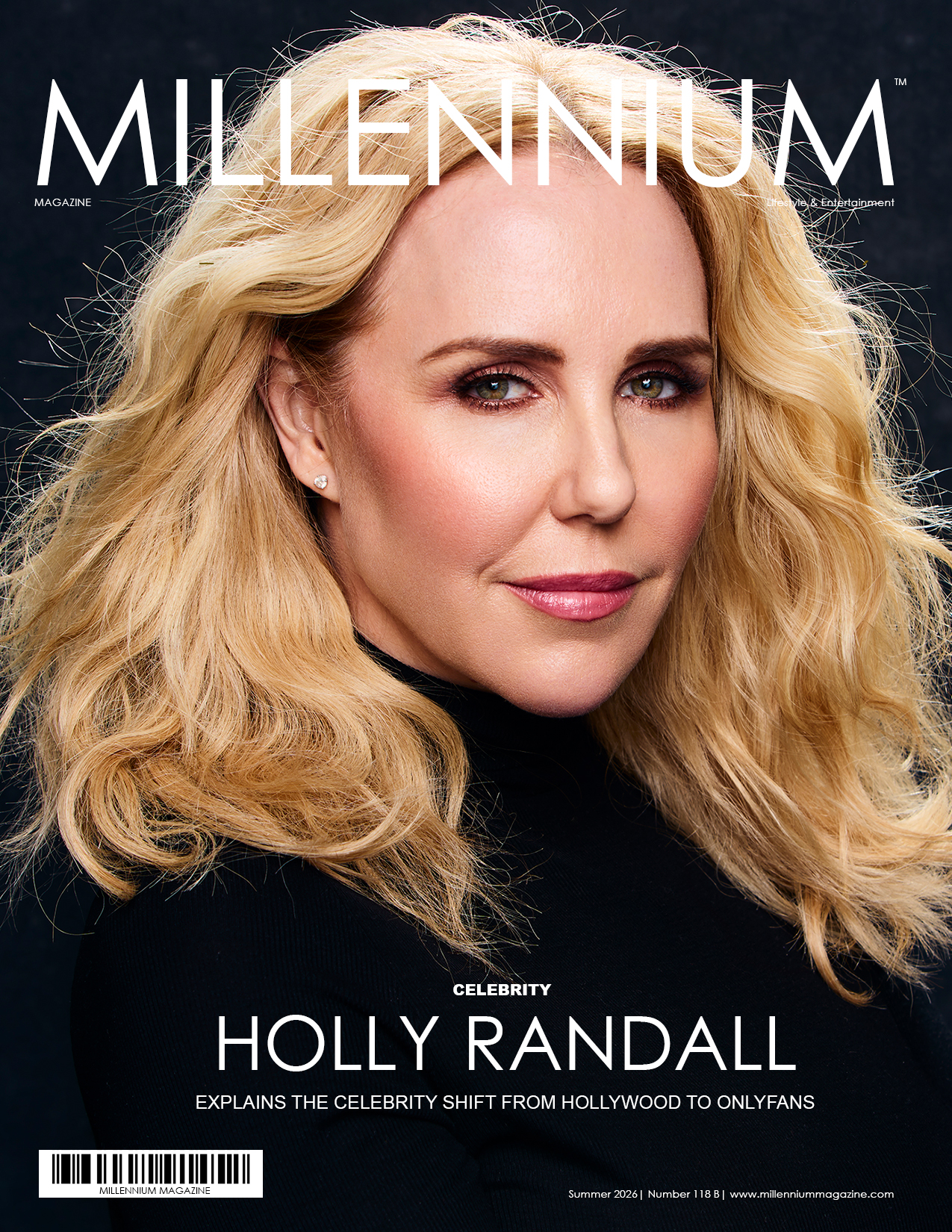 Click Image to View The Issue
MM: The HBO series Euphoria, particularly the storyline involving Sydney Sweeney’s character Cassie and the broader themes surrounding online sexuality and performance, sparked a great deal of discussion about digital sex work and validation.
As someone who has spent decades documenting and interviewing performers, what is your opinion of how cam models and online creators are portrayed in contemporary television? Do you feel these portrayals are realistic, sensationalized, or somewhere in between?
HR: Television tends to either glamorize or victimize — there’s rarely a portrayal of someone who simply made a pragmatic career decision and is fine. I’ve interviewed hundreds of performers over 400-plus episodes, and the range of experiences is enormous. Some people are thriving. Some are struggling. Most are somewhere in the middle — just like everyone else in every other industry. What the show does is filter everything through a trauma lens because that’s what makes good television. The real adult industry is far more mundane, more entrepreneurial, and more varied than what ends up on screen.
 MM: Your award-winning featurette Broken Butterfly: The Perfect Shade of Blu demonstrates that adult films can be cinematic and story-driven. Do you believe audiences are increasingly looking for stronger narratives rather than simply explicit content?
HR: There’s absolutely an audience for it, but admittedly, it’s smaller. Broken Butterfly came from my genuine belief that you can make adult content that’s also emotionally resonant. When Jeffrey J Hart brought it to me for production, his vision was to create something more than what we had been working together on for other brands. When it won Best Featurette at both AVN and XBIZ, that was validation that the audience for story-driven adult content still exists. The challenge is that it’s expensive and time-consuming, and the market has conditioned people to expect free and instant. But I don’t think the appetite for something deeper has gone away, but it’s definitely not on the same level as “my stepmother is stuck in the dryer” videos, which don’t require much emotional investment and “get the job done” so to speak..
MM: Your podcast, Holly Randall Unfiltered, has surpassed 400 episodes and features remarkably candid conversations. What have those interviews taught you about the misconceptions people have regarding adult performers?
HR: I started the show because I felt like the way people viewed adult performers was just so inaccurate, and I thought: if they just knew them. If they spent one day on set, they’d see what regular, interesting, funny people they are. More than 400 episodes in, the thing that still strikes me is how often people assume performers are damaged, or stupid, on drugs, or lack other options. But that couldn’t be more untrue. And the listeners who write to me and say “your podcast completely changed how I think about the adult industry” — that’s exactly why I do it.
MM: With artificial intelligence now capable of generating realistic images and videos, how do you think AI will affect adult entertainment? Is it a creative tool, a business opportunity, or a threat to performers and content creators?
HR: AI is a tool, an opportunity, and a threat simultaneously, depending entirely on who’s using it and how. For established creators with a real brand and a real audience, it’s a tool. For performers just starting out, trying to compete with infinitely scalable synthetic content, I can see it feeling threatening. I’ve watched this industry navigate VHS, the internet, free tube sites gutting revenue, streaming, and OnlyFans rewriting everything… it will navigate AI too. But this one moves faster than anything we’ve seen before, and the performers who get hurt first will be the ones with the least leverage.
MM: If a young photographer, filmmaker, or performer approached you today looking to build a career in the adult industry, what advice would you give them about protecting both their business and their personal well-being?
HR: Protect your content. Own your masters. Diversify your platforms so that no single ban or algorithm change can wipe out your income overnight. Take the mental health side seriously before you need to — not after you’ve had a mental breakdown. And understand that the stigma surrounding this industry can follow you, so make decisions with your whole future in mind, not just the next paycheck. The business side is learnable, but the emotional side is what catches people off guard.
 MM: You’ve continually reinvented yourself as a photographer, filmmaker, producer, author, and podcast host. What exciting projects are you currently working on, and what can fans expect from Holly Randall Productions in the near future?
HR: I’m continuing to build Wet Ink Magazine, which is really my passion project right now, long-form journalism and real storytelling about sexuality and culture, without the sensationalism. The podcast is going strong and I’m so grateful for that. The marketing agency I started with my partners Jeff Hart and Andrew Nagle has been one hell of a ride, and I have to give a huge thank you to Stripchat for taking us on as their first client. Last but not least, I’m producing our first feature film alongside Stripchat this summer– written, directed and shot by Jeff of course. It’s being shot all over the world in at least 5 different countries… a very ambitious project of course but I have full faith that Jeff can pull it off and I can’t wait to see the final piece.
MM: After spending your entire life immersed in this industry—from growing up with one of its pioneers to becoming one of its most respected voices—what do you hope your lasting legacy will be?
HR: I hope people remember my photography — that I actually cared about making beautiful work. And I hope they remember that I tried to amplify sex worker voices, to give them a platform and treat their stories with the weight they deserved. My mom gave so much to this industry, and this community has given so much to me. I just hope I gave back even a fraction of that. I don’t see myself as more significant than anyone else, I just try to show up with love and do my best.
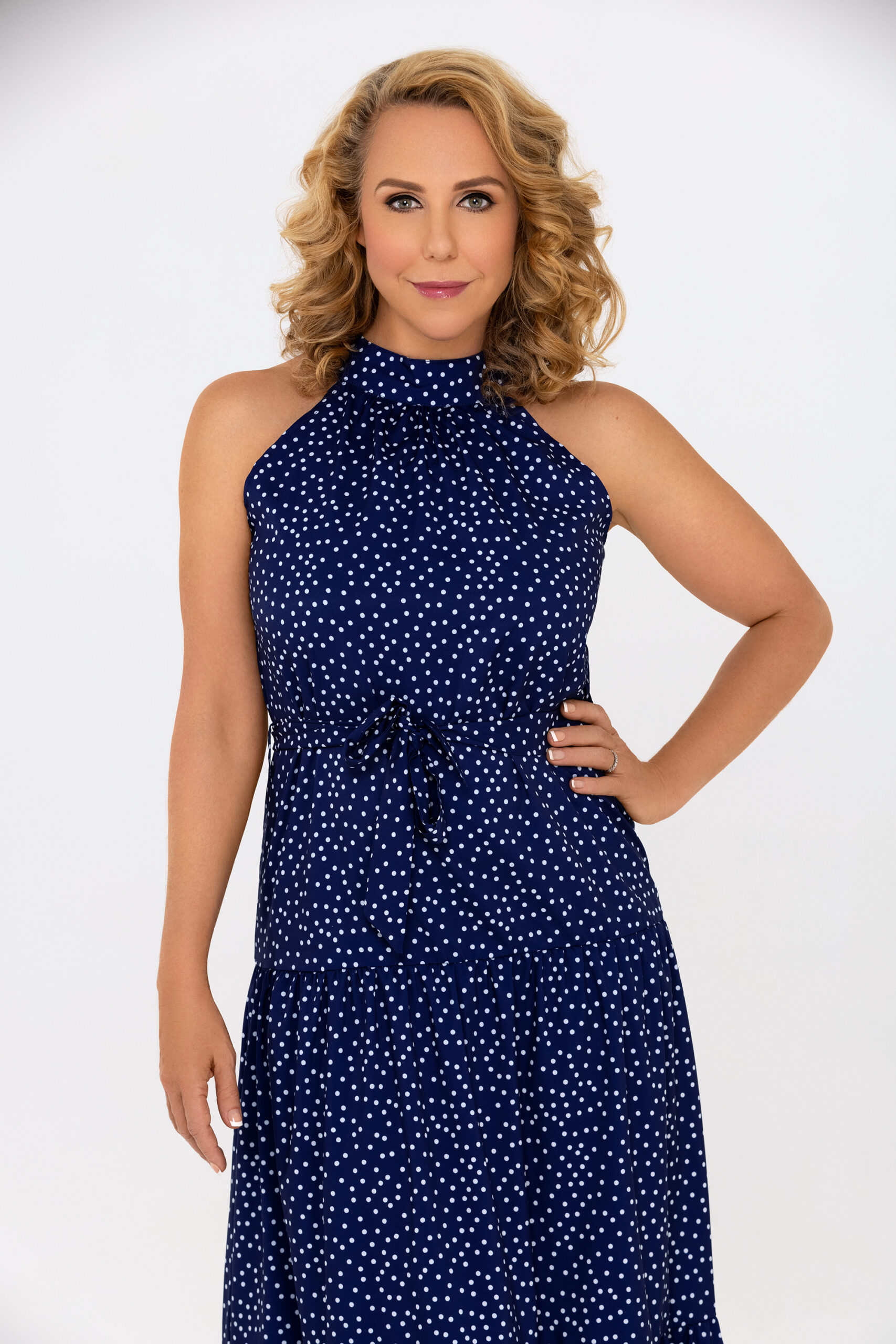
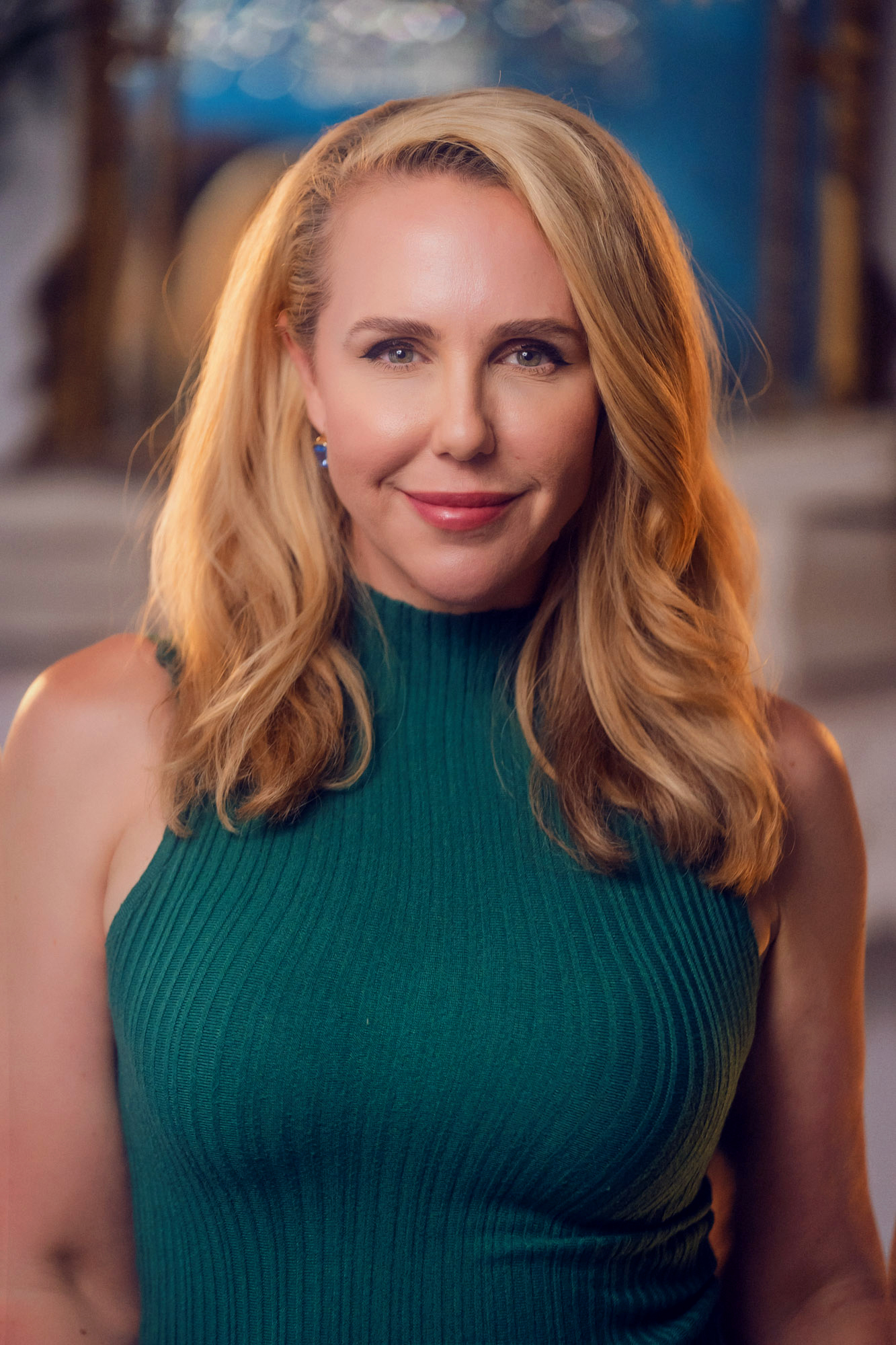
Photography Provided by Holly Randall