

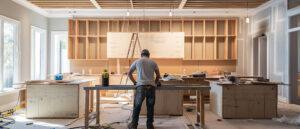
Your kitchen does a lot of heavy lifting. It handles rushed breakfasts, late-night snacks, homework sessions, and those moments when everyone somehow ends up standing in the same spot. If you’re thinking about remodeling, the goal isn’t only a prettier room.
You want a space that works better, lasts longer, and fits how you actually live. A smart plan helps you avoid expensive mistakes, awkward layouts, and design choices that look great online but annoy you every day.
Start with how you use the kitchen now
Before you pick cabinet colors or pendant lights, pay attention to your current routine. Notice where clutter builds up, where traffic jams happen, and which surfaces take the most abuse. If two people cook at once, a tight aisle can feel like a contact sport. If you order takeout more than you cook, your needs will differ from someone who meal preps every Sunday.
Make a short list of practical frustrations.
– Not enough counter space near the stove
– Poor lighting over prep areas
– Limited pantry storage
– An island that blocks movement
– Appliances placed too close together
This step gives you a reality check. A remodel should solve daily problems, not just create a photogenic backdrop. The best kitchen plans usually begin with function, then move into style.
Work with the right professionals from the start
A remodel usually goes smoother when you bring in experienced professionals early. Hiring an experienced kitchen remodeler helps map out your project properly.
That early planning also gives you a realistic sense of timeline and sequencing. You learn when the room becomes unusable, when materials need to be on site, and which decisions have to be locked in before work begins.
Delays usually trace back to choices made late rather than problems on site. Ask how changes are handled once construction is underway, since that answer tells you a lot about how the rest of the job will go. Clear communication early tends to be the difference between a project that runs on schedule and one that drags.
Set a budget that includes the unglamorous stuff
A kitchen remodel can move from exciting to financially chaotic very fast. Cabinets and countertops get most of the attention, but plenty of less glamorous costs show up along the way. Think permits, demolition, electrical updates, plumbing adjustments, disposal fees, and labor. If your home is older, hidden issues behind the walls may also crash the party.
A useful budget usually includes:
– Materials
– Labor
– Design fees
– Permit costs
– Temporary dining or cooking setup
– A contingency fund of 10 to 20 percent
That contingency fund matters more than most people expect. Once walls open up, surprises tend to appear with terrible timing. You don’t need a billionaire budget, but you do need a realistic one. Spending carefully on layout and durable materials often pays off more than splurging on every trendy finish.
Choose a layout that supports movement and storage
A kitchen layout affects almost everything: comfort, safety, storage, and how annoying cooking becomes on busy days. Open concept sounds great until you realize every pan, plate, and snack wrapper is on display. A closed-off kitchen can feel cozy, but it may also trap heat and isolate whoever is cooking.
Pay attention to work zones rather than only the old kitchen triangle idea. Think in terms of:
– Prep zone
– Cooking zone
– Cleaning zone
– Food storage zone
– Grab-and-go zone for drinks or snacks
If you have enough space, keep walkways clear and allow room for appliance doors to open without causing a pileup. Deep drawers often beat lower cabinets because you can actually reach what’s inside. Good storage isn’t about stuffing in more things. It’s about making the things you use easy to access without crouching like a part-time archaeologist.
Think carefully about lighting, outlets, and ventilation
Lighting gets treated like a finishing touch, but it should be part of the core plan. One overhead fixture rarely cuts it. You need layered lighting so the kitchen works at different times of day and for different tasks. Prep work under bad lighting is frustrating, and it can be unsafe too.
Aim for a mix of:
– Ambient lighting for overall brightness
– Task lighting under cabinets
– Accent lighting for visual interest
– Pendant lighting where it makes sense, not just where it looks dramatic
Outlets deserve more attention too. People charge devices, use mixers, coffee makers, air fryers, and a rotating cast of other appliances that seem to multiply overnight. Ventilation matters just as much. A good range hood helps remove smoke, grease, moisture, and cooking odors.
Balance trends with choices that age well
Trends can be fun, but kitchens are expensive to redo every few years. If you love bold tile or dramatic cabinet colors, use them thoughtfully. It often makes sense to keep major elements more timeless and let trendier details show up in lighting, hardware, stools, or paint.
A few choices tend to age better:
– Neutral cabinet colors
– Simple door styles
– Quality wood accents
– Classic tile shapes
– Durable metal finishes with broad appeal
Prepare for the disruption before demo day starts
Even a well-managed remodel disrupts daily life. Your kitchen may be unusable for weeks or longer depending on the scope. Dust spreads, deliveries shift, and meals become less convenient. Planning for that disruption keeps stress from boiling over before the backsplash is even installed.
Set up a temporary kitchen with basics like:
– Microwave or toaster oven
– Coffee maker
– Mini fridge if needed
– Paper plates and utensils
– Storage bins for essentials
You should also discuss the project schedule in detail. Ask when demolition starts, when inspections happen, and what could affect the timeline. Backordered materials and custom items often cause delays. Patience helps, but preparation helps more.
Focus on value that lasts after the reveal
A good kitchen remodel should improve your daily routine and strengthen your home’s long-term value. Buyers often care about kitchens, but resale appeal isn’t the only metric. You live there now. A layout that supports your habits, quality materials that hold up, and storage that actually works can make the investment feel worthwhile long before any future sale.
As you make decisions, keep asking simple questions:
– Will this make daily use easier?
– Will it hold up over time?
– Will I still like this in five years?
– Is this worth the cost?
The best remodels usually aren’t the flashiest ones. They’re the ones that feel effortless once they’re finished. You walk in, cook, clean, gather, and move around without constantly noticing what’s wrong. That kind of success rarely happens by accident.