

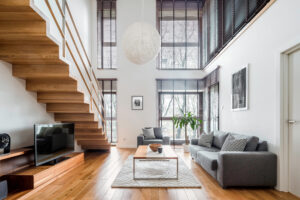
Modern homes tend to hold their appeal because they respond well to how people actually live. Rather than relying on short-term trends, they combine practical layouts, visual simplicity, and adaptable spaces that continue to work as family needs change. For growing households, upsizers, and multigenerational families, lasting appeal usually comes down to whether a home still feels functional, comfortable, and relevant years after it is built.
Layouts That Still Work Over Time
One of the biggest reasons modern homes remain appealing is that their layouts are shaped around daily life rather than rigid room divisions. Open-plan kitchen, dining, and living zones make it easier for families to cook, supervise children, entertain guests, and spend time together without feeling boxed in. At the same time, better modern designs still include separation where it matters, such as retreat spaces, secondary living areas, or quieter bedrooms.
That balance between connection and privacy is often what gives a home staying power. When people look at the work of providers like Neptune Homes modern home builders and design specialists, the broader appeal of modern design becomes clear: homes that are planned around movement, visibility, and flexibility tend to age better than layouts that feel formal but less usable.
Flexible Spaces Add Long-Term Value
Modern homes often last because they can absorb change. A room that begins as a nursery may later become a study, guest room, or teenage retreat. A second living area can support different stages of family life, from play space to quiet zone to multigenerational gathering area. This kind of flexibility matters because households rarely stay the same for long.
Lasting appeal often comes from a design’s ability to adapt without needing major renovation. Homes that allow for changing routines, family sizes, and work patterns usually remain more livable over time. That is especially important for buyers who want a home that can support both current needs and future shifts.
Simplicity Makes Design Age Better
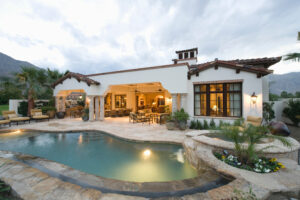
Modern homes also benefit from visual restraint. Clean lines, balanced proportions, and uncluttered forms tend to date less quickly than highly decorative styles tied to a specific moment. This does not mean modern homes must feel plain. It means their appeal often comes from thoughtful composition rather than excess detail.
A simple design language usually creates a calmer and more enduring result. Materials, finishes, and shapes can still feel warm and distinctive, but they are less likely to become visually tired after a few years. That makes modern homes easier to live in, easier to furnish, and often easier to update in subtle ways as tastes evolve.
Natural Light Improves Everyday Living
Homes with lasting appeal usually feel good to be in, and natural light plays a major part in that. Modern design often places strong emphasis on window placement, indoor-outdoor connection, and the flow of light through shared living areas. Bright interiors can make rooms feel larger, more comfortable, and more welcoming throughout the day.
This is not only about appearance. Research on residential daylight design has found that natural light conditions in the home can significantly shape how people perceive happiness and sadness indoors, with stronger daylight exposure producing the greatest positive effect. That helps explain why good light can improve how spaces function, particularly in kitchens, family areas, and work-from-home zones. When a home feels pleasant and usable across different times of day and different seasons, its appeal tends to hold.
Good Storage Supports Real Family Life
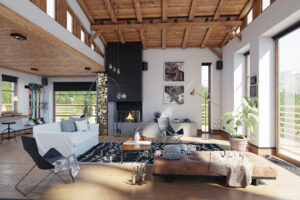
A modern home loses appeal quickly if it cannot handle the realities of family life. Storage is one of the less glamorous but more important reasons some homes stay desirable. Built-in cabinetry, walk-in pantries, practical laundries, and well-planned bedroom storage all help reduce clutter and make daily routines easier.
For families with children, larger households, or multigenerational living arrangements, storage affects whether a home continues to feel calm or starts to feel overcrowded. Lasting appeal is not only about what looks impressive on inspection day. It is also about whether the home still works when school bags, prams, sports gear, seasonal items, and shared living needs become part of everyday life.
Built for Life, Not Just for Trends
What gives modern homes lasting appeal is their ability to combine beauty with usefulness. The most enduring designs are not simply contemporary in appearance. They are well planned, adaptable, comfortable, and capable of supporting real family life over the long term.
That is why modern homes continue to resonate with so many buyers and builders. When a design offers flexibility, light, simplicity, and practical liveability, it tends to remain relevant well beyond changing trends.