


Modern approaches to softer facial lines are more precise and less formulaic than they once were. Rather than focusing on a single wrinkle or following trends, current treatment planning looks at facial movement, skin quality, structural support, and the way different features work together. The result is a more balanced approach that aims to soften lines in a measured, natural-looking way.
Using Precision Instead of Overcorrection
Modern treatment approaches rely far more on precision than intensity. The goal is not to freeze every expression or remove every visible sign of movement. Instead, the focus is on carefully selected placement and dosing that can soften stronger lines without making the face look stiff or overworked.
For example,anti wrinkle treatment options at Define by Jill may reflect this more controlled approach, where treatment planning considers how your face moves in real life rather than how one line looks in isolation. Because a line may appear differently when you smile, frown, or speak, a softer outcome often depends on balancing expression, facial harmony, and individual anatomy rather than treating intensity alone.
Looking Beyond Muscle Movement
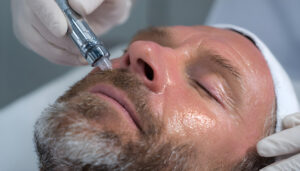
Another modern approach is recognising that softer facial lines are not always achieved by focusing on muscle activity alone. In many people, the skin itself plays a major role in how lines look. Dryness, texture changes, uneven tone, and long-term photoageing can all make lines appear more obvious than they actually are.
Because of this, current treatment discussions often include skin quality as part of the plan. If the skin is stressed, thin, or sun-damaged, even a well-targeted procedural treatment may have limits. Softer lines are often approached more effectively when skin condition is considered alongside facial movement and anatomy.
Planning the Face as a Whole
Modern aesthetic treatment is less area-based and more face-based. Rather than isolating one line and treating it in a vacuum, practitioners now tend to assess how the forehead, eyes, cheeks, mouth, and jaw relate to one another. A line may appear deeper not only because of local movement, but because nearby support has changed over time.
This whole-face thinking creates a more coherent result. It reduces the risk of treating one feature too heavily while leaving the broader facial balance untouched. In practical terms, modern approaches to softer facial lines are often about harmony, not just correction, which is why careful planning also matters in avoiding complications such as vascular occlusion.
Favouring Gradual and Measured Change
A further shift in modern practice is the preference for gradual change over dramatic adjustment. Many people now want an improvement that looks subtle, settled, and proportionate to their natural features. That means treatment planning may be conservative, staged, or deliberately minimal rather than aggressive from the outset.
This approach also supports better review and decision-making. Because facial anatomy, healing response, and skin behaviour vary from person to person, a measured plan leaves more room to observe how the face responds and whether additional steps are even necessary. In many cases, softer lines are achieved more effectively through restraint than through doing more.

A More Thoughtful Path to Softer Lines
Modern approaches to softer facial lines are defined by assessment, precision, and balance. Instead of chasing a fixed look, they focus on understanding what is causing the lines, how the face moves, and what level of change is appropriate for the individual. That is what makes the approach feel more current and more considered than older one-size-fits-all methods.