

Separating cream from milk seems simple, but choosing the right type of separator can make a big difference in how efficiently it gets done. Many home dairies and small farms rely on either manual or electric cream separators, each designed for specific needs and working conditions. The main difference between manual and electric cream separators lies in how they are powered—manual models use hand-cranking, while electric ones use a motor to handle the separation process.
A manual cream separator suits smaller batches and areas without electricity. It offers control and simplicity but requires steady effort. In contrast, an electric cream separator saves time and produces consistent results on a larger scale, which benefits regular milk processing or small dairy operations.
Understanding these differences helps anyone involved in milk processing choose the most effective tool for their workflow. The next sections explore the key differences, uses, and factors to consider before deciding which type best fits specific needs.
Key Differences Between Manual and Electric Cream Separators
Manual and electric cream separators process milk using different power sources and mechanisms. Each model affects speed, effort, and output, which determines which suits small home dairies or larger farms best.
Operation Method and Mechanism
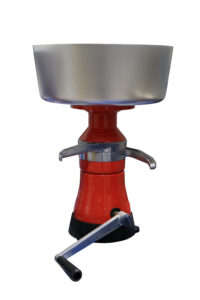
A manual cream separator relies on hand power. The user turns a crank to create centrifugal force that divides cream and skim milk. This type of device suits small batches because users can control the pace. It does not depend on electricity, making it useful in places without power or for individuals who value simple tools.
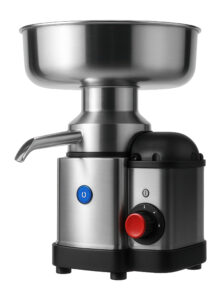
An electric model uses a motor to spin the bowl at a consistent speed. The steady motion helps maintain even separation and reduces human error. The electric mechanism requires access to electricity but allows faster operation and fewer interruptions.
Both types use centrifugal force to work, but electric models maintain higher revolutions per minute (RPM). Manual units slow down as the user tires, which can affect separation consistency. Those learning to handle a cream separator for milk may find electric options easier to master since the device controls its own speed.
Processing Capacity and Speed
Electric separators process larger volumes in less time than manual ones. A typical electric unit can handle several dozen liters per hour, while a manual version handles much less, depending on user effort. In small dairies, manual separation often fits the need, but larger farms value the efficiency of powered machines.
Speed plays a direct role in productivity. Higher RPM levels mean cream separates faster and more evenly. Manual models typically run at lower RPMs because human power limits rotational speed. Electric versions typically maintain 1,500 to 12,000 RPM, producing faster, more uniform results.
Electric units also maintain consistent performance across multiple cycles. Manual separators perform best in short runs due to human fatigue. For anyone processing milk regularly, electric machines help save time and maintain steady product quality.
Effort and User Experience
Manual separators demand physical effort. The user must crank the handle continuously while monitoring milk flow. This manual labor increases with larger batches and can make long sessions tiring. Some users prefer the control and simplicity, but the workload can discourage frequent use.
Electric separators operate with the push of a button. The motor handles spinning and speed control, leaving the user free to manage output or prepare the next batch. This creates a smoother and less tiring process, especially for daily use.
Maintenance plays a role in the experience as well. Manual models have fewer electrical parts, making cleaning and repairs simpler. Electric ones require more care with wiring and motor housing. Both remain effective, but electric variants reduce labor while manual machines offer greater control and simplicity.
Applications, Advantages, and Considerations
Different types of cream separator machines serve unique roles in dairy processing. Manual units suit smaller setups that value simplicity and hands-on control, while electric models meet the higher demands of modern dairy operations. Maintenance practices, cleaning habits, and equipment design all influence cream quality and overall efficiency.
Best Uses for Manual Cream Separators
Manual cream separators fit best in small-scale dairy settings or on family farms where power sources may be limited. They help farmers separate cream and skimmed milk from cow, goat, or sheep milk without depending on electricity. This makes them suitable for rural locations or mobile dairy setups.
Because operators control the process directly, they can adjust for cream thickness and milk temperature. The slower pace allows careful observation of milk flow, which benefits those who produce butter, yogurt, or sour cream in small batches.
Manual equipment often costs less and has a simpler design. Farmers can operate it with minimal training, and replacement parts tend to be easy to find. However, manual models require physical effort, so they suit lower milk volumes better than large dairy operations.
Best Uses for Electric Cream Separators
Electric cream separators serve commercial dairy farms and small-to-medium milk processing facilities that handle high volumes daily. They use motor-driven systems to speed up the cream extraction process and reduce labor time. This consistency improves cream quality and supports efficient production for products such as cheese and butter.
Because they maintain steady speeds, electric models produce a cleaner separation of skimmed milk and cream. Operators can still adjust settings for different milk types, but less manual work is needed. In comparison to manual units, these machines save time and reduce operator fatigue.
Electric versions cost more at first but increase productivity. The investment pays off in operations that value faster output and uniform results. Their automation also helps maintain consistent milk quality, which matters in the competitive dairy industry.
Maintenance, Cleaning, and Durability
Proper care determines how well a cream separator performs over time. Both manual and electric machines need regular cleaning of disks, spouts, and bowls to avoid contamination. Dairy residue hardens if left too long, which can affect separation quality.
Manual separators generally contain fewer parts, so cleaning takes less time. However, electric versions often include detachable pieces and stainless steel surfaces that resist corrosion. Some models feature self-draining designs that simplify sanitation tasks.
Durability depends on the build material and handling. Machines with steel or metal housings last longer than plastic types. Routine inspection for wear, lubrication of moving parts, and correct storage increases lifespan and maintains consistent cream output.
 Choosing the Right Cream Separator
The correct cream separator depends on the dairy’s scale, milk source, and daily use. Manual units suit beginners or small farms that value low cost and independence from power supply. Electric models suit larger setups that process milk for retail butter or cheese production.
Buyers should compare estimated milk capacity, rotation speed, and ease of disassembly before purchase. Weight and portability may matter in rural areas, while noise and energy use can influence indoor operations.
When reviewing cream separators for sale, attention to warranty, spare parts availability, and after-sales support helps protect the investment. A well-matched machine can raise processing efficiency while maintaining desired cream thickness and smooth texture.
Conclusion
Manual and electric cream separators each meet different needs in dairy processing. Manual models suit small-scale users who prefer hands-on control and lower costs. Electric units handle larger volumes with less effort and faster results.
The right choice depends on factors such as milk quantity, budget, and power access. Manual types fit remote areas or hobby farms, while electric machines serve busy operations that need steady output.
Both designs perform the same basic function of separating cream from milk through centrifugal force. The difference lies in how they achieve the motion and how much labor each requires.
Selecting between them lets users balance convenience, speed, and cost in a way that supports their daily dairy work and overall production goals.