

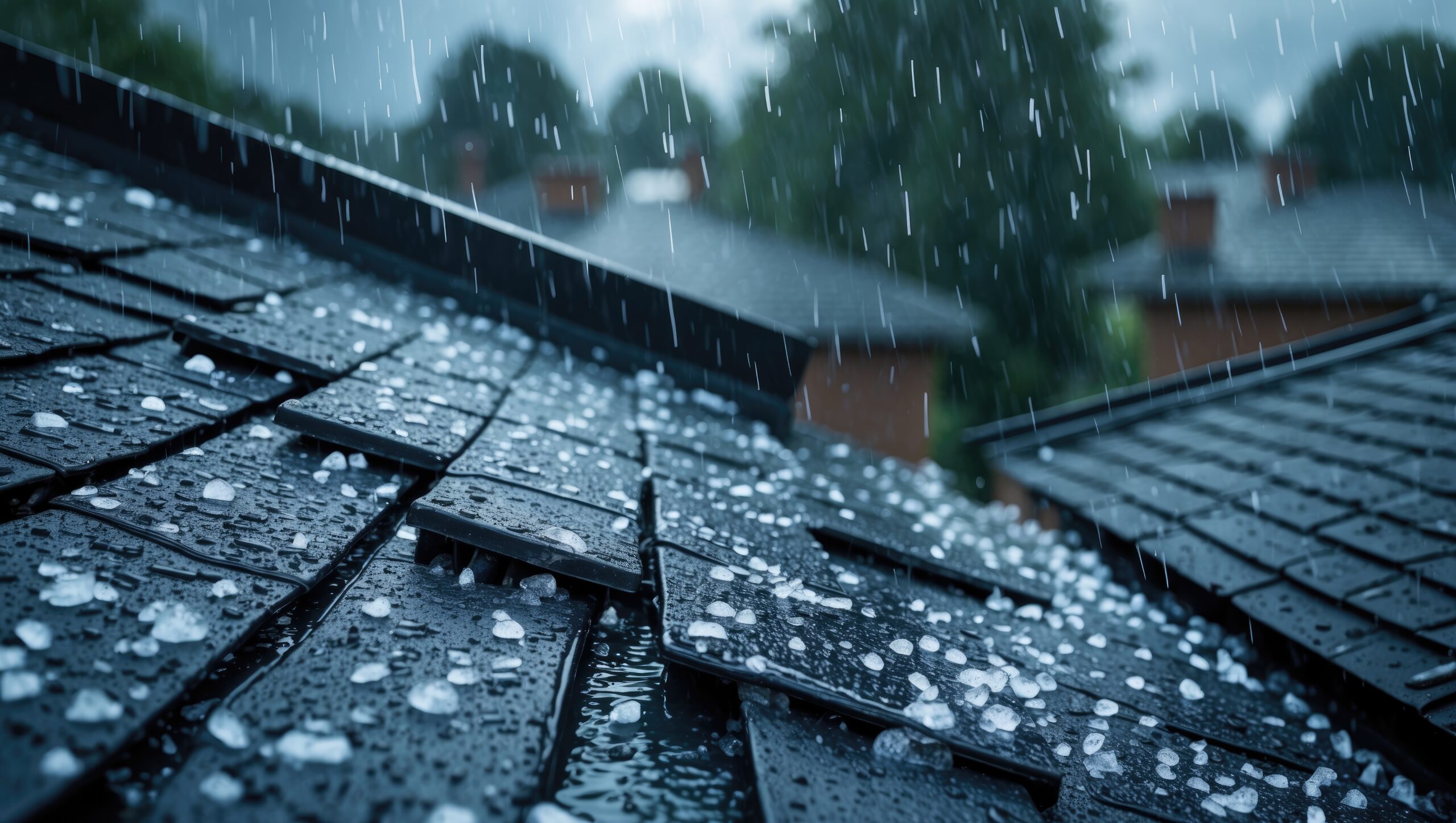
If you are keen to look after your home properly, there are a lot of things that you might want to bear in mind here. Your home faces a constant battle against the weather. Rain, wind, frost, heat, and storms all gradually wear down the materials that keep your property safe and comfortable. While most homeowners think about major repairs only when something goes wrong, the reality is that protecting a home from the elements is largely about prevention. Small maintenance tasks carried out consistently can stop expensive structural problems from developing later on.
The UK climate is especially demanding on homes. Long periods of rain, damp winters, temperature fluctuations, and strong winds can all take a toll over time. Water damage alone is responsible for a huge number of avoidable repairs each year, often because minor issues were left unnoticed for too long. Taking a proactive approach can help preserve both the appearance and value of your property while also reducing future maintenance costs.
Start With The Roof
Your roof is your home’s first line of defence against the weather. Even a tiny weakness can eventually allow water to seep into loft spaces, walls, and insulation. Missing tiles, damaged flashing, cracked seals around chimneys, and ageing materials should all be addressed quickly.
Regular roof inspections are important, particularly after heavy storms or strong winds. Problems are often easier and cheaper to fix when caught early. Moss growth should also be monitored because it can trap moisture against roofing materials and contribute to gradual deterioration. Loft spaces can provide clues about developing roof issues as well. Damp patches, mould, or unusual draughts may suggest water penetration or ventilation problems that need attention.
The Importance Of Gutters And Drainage
One of the most overlooked aspects of weather protection is effective drainage. Gutters and downpipes direct rainwater away from the property, preventing it from collecting around walls and foundations. When gutters become clogged with leaves, moss, or debris, water can overflow and create serious problems.
The best gutter service can help ensure rainwater flows properly throughout the year. Regular cleaning and inspections reduce the risk of overflowing water damaging brickwork, fascia boards, roofing materials, and even internal walls. Poor drainage can also contribute to damp issues around the base of a property, especially during periods of prolonged rainfall. Many homeowners underestimate how quickly blocked gutters can escalate into costly structural damage. Keeping drainage systems clear is one of the simplest and most effective ways to protect a home from the elements.
Protecting External Walls
External walls are constantly exposed to moisture, temperature changes, and pollution. Over time, cracks can develop in render, mortar joints may weaken, and protective coatings can wear away. Once moisture enters the wall structure, damp and internal damage often follow.
Checking walls for cracks or crumbling mortar should become part of routine property maintenance. Repointing brickwork when needed helps maintain the wall’s resistance to water intrusion. If render begins to fail, repairing it promptly prevents larger sections from deteriorating. In some cases, waterproof exterior coatings can offer additional protection, especially for older properties exposed to severe weather conditions. However, breathable materials are important to avoid trapping moisture inside the walls.
Windows And Doors Matter More Than You Think
Windows and doors are another common source of weather-related issues. Gaps in seals can allow draughts, rainwater, and cold air into the property, reducing energy efficiency and increasing heating costs.
Over time, sealants can crack or shrink, particularly around older frames. Wooden frames may warp due to repeated exposure to moisture, while hinges and locks can weaken if not maintained properly. Simple maintenance tasks such as resealing gaps, repainting timber frames, and replacing worn weatherstripping can make a major difference. Double glazing should also be checked periodically for condensation between panes, which may indicate seal failure.
Don’t Ignore Damp And Condensation
Moisture is one of the biggest threats to any property. Left untreated, damp can damage plaster, timber, flooring, and even structural components. It can also create conditions for mold growth, which may affect indoor air quality.
Condensation is often caused by poor ventilation combined with everyday household activities like cooking, bathing, and drying clothes indoors. Extractor fans, trickle vents, and proper airflow all help reduce moisture build-up inside the home. Penetrating dampness from external issues should be dealt with quickly. Signs may include peeling paint, bubbling plaster, water stains, or musty smells. Addressing the root cause early prevents more extensive repairs later.
Landscaping Can Help Protect Your Property
The area surrounding your home also plays a role in weather protection. Trees with overhanging branches can damage roofs during storms, while roots may interfere with drainage systems or foundations if planted too close to the property.
Ground levels should slope away from the house to encourage water runoff rather than pooling near foundations. Poor drainage around patios, driveways, and gardens can gradually contribute to damp problems over time. Regular garden maintenance may not seem directly connected to home protection, but it can significantly reduce risks during extreme weather conditions.
Prepare For Seasonal Changes
Different seasons bring different risks. Winter introduces freezing temperatures, storms, and heavy rain, while summer heat can affect roofing materials and cause timber expansion.
Autumn is an especially important time for preventative maintenance because falling leaves can quickly clog gutters and drains. Spring inspections can then help identify any damage caused during winter months. Creating a seasonal maintenance routine helps homeowners stay ahead of problems before they become serious. This might include checking roofing, clearing gutters, testing drainage, inspecting seals, and monitoring outdoor structures.
Prevention Always Costs Less Than Repairs
One of the biggest mistakes homeowners make is waiting until visible damage appears before taking action. By the time water stains or cracks become obvious, hidden structural issues may already be developing beneath the surface. Preventative maintenance almost always costs less than emergency repairs. A relatively inexpensive gutter service or minor roof repair can potentially save thousands of pounds in future restoration work.