

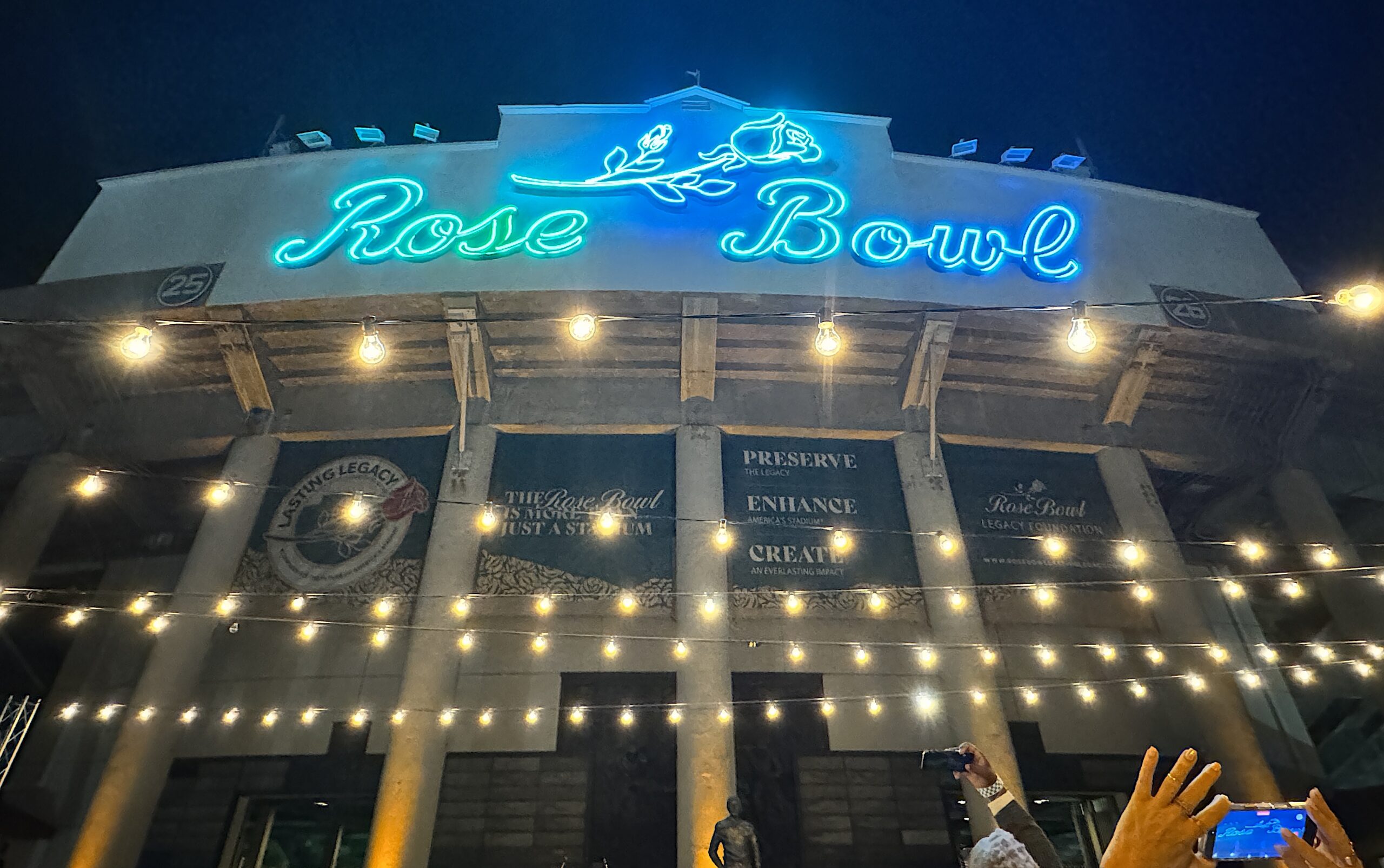
 Food, wine, and spirits lovers will once again have an opportunity to play the field at the 2026 edition of Masters of Taste on April 19, 2026. The legendary Rose Bowl Stadium will host Southern California’s premier food festivals, bringing together the Los Angeles area’s most talented chefs, restaurants, wineries, craft breweries, and spirit brands on behalf of Union Station Homeless Services. 100% of the proceeds from the festival will directly benefit the leading homeless service provider for the San Gabriel Valley and other areas of Los Angeles County.
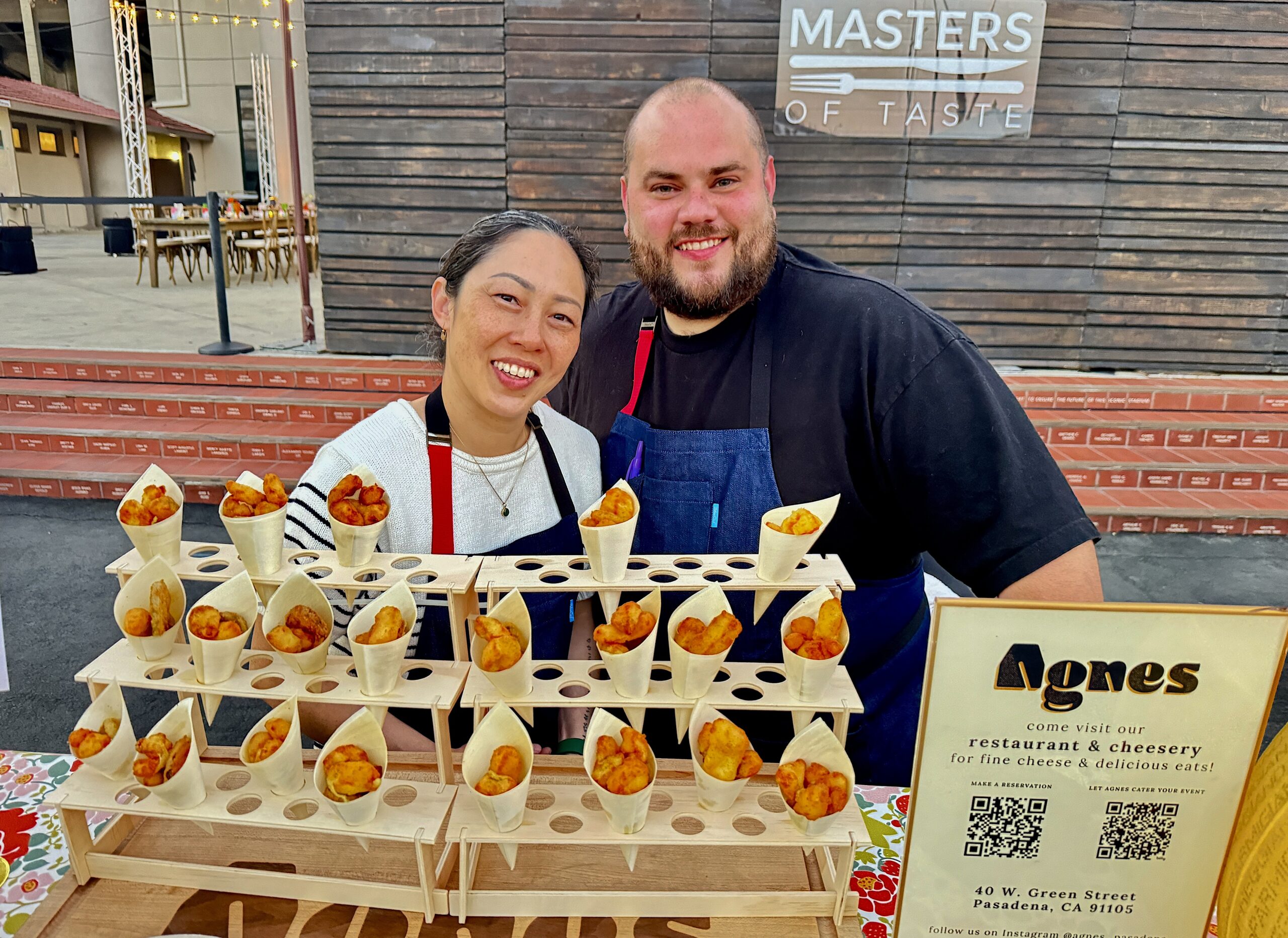 Host Chefs Thomas and Vanessa Tilaka Kalb of Agnes Restaurant & Cheesery are presiding over the festivities this year. The acclaimed husband-and-wife team, who have brought their unique approach to Pasadena’s ever-evolving food scene, credit their collaboration’s success to decades of combined experience in the restaurant industry. Thomas’s background in professional kitchens guides a constantly evolving, seasonal menu, while Vanessa’s expertise as a Cheese Monger and hospitality shapes how food is offered and experienced. Together, they’ve created Agnes with a focus on craft, sustainability, and a welcoming approach.
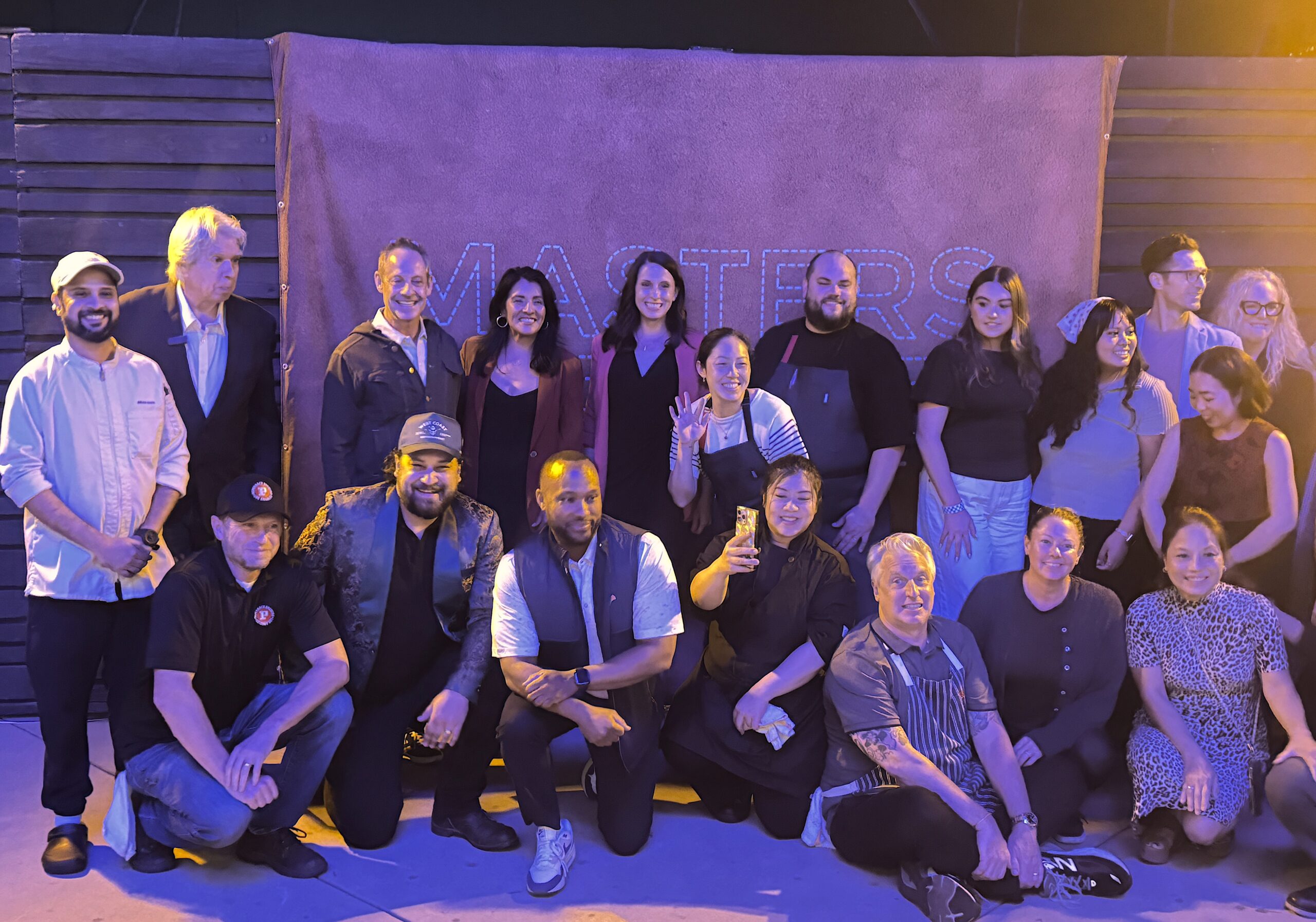
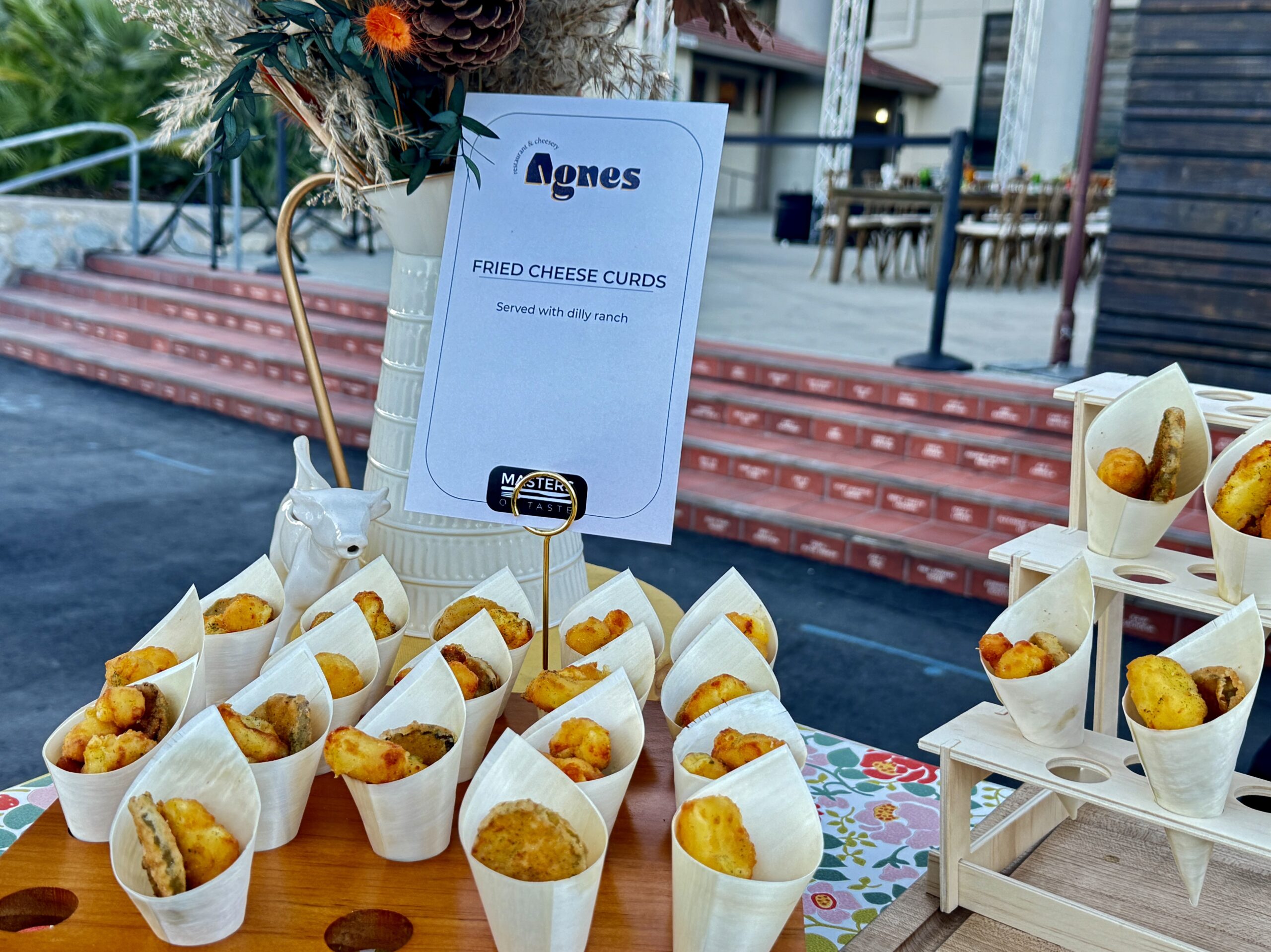
Over 3,000 food and beverage enthusiasts will include tastings from several restaurants in Pasadena and Los Angeles’ top cocktail bars, select wineries, local craft breweries, cold-pressed juices, cold brew coffee, and more. Festival favorites, including Portos, Celestino, Casa Cordoba, and Pez Coastal Kitchen, return this year while eateries Sushi Roku, Maple Block Meat Company, and BOA Steakhouse make their first appearance. Popular L.A. spots Zira Uzbek Kitchen, Wife and the Somm, Empoorium Thai, The Second Wind, Fitoor Santa Monica, Arth Bar & Kitchen, Descanso, and Uchi West Hollywood bring international flavors to the party.
 Tickets for the 21+ event are $170 ($149, early bird) for general access starting at 4:00 pm and $225 ($199, early bird) for unlimited access and 3:00 pm entry.
Union Station Homeless Services recognizes that systemic discrimination in economic and housing systems and policies has created significant barriers for people based on their race, gender, sexuality, mental and physical disability, and/or addiction. Thus, we work to support individuals and families with inclusionary and low-barrier strategies that employ housing solutions, person-first care, case management, and access to critical services.